


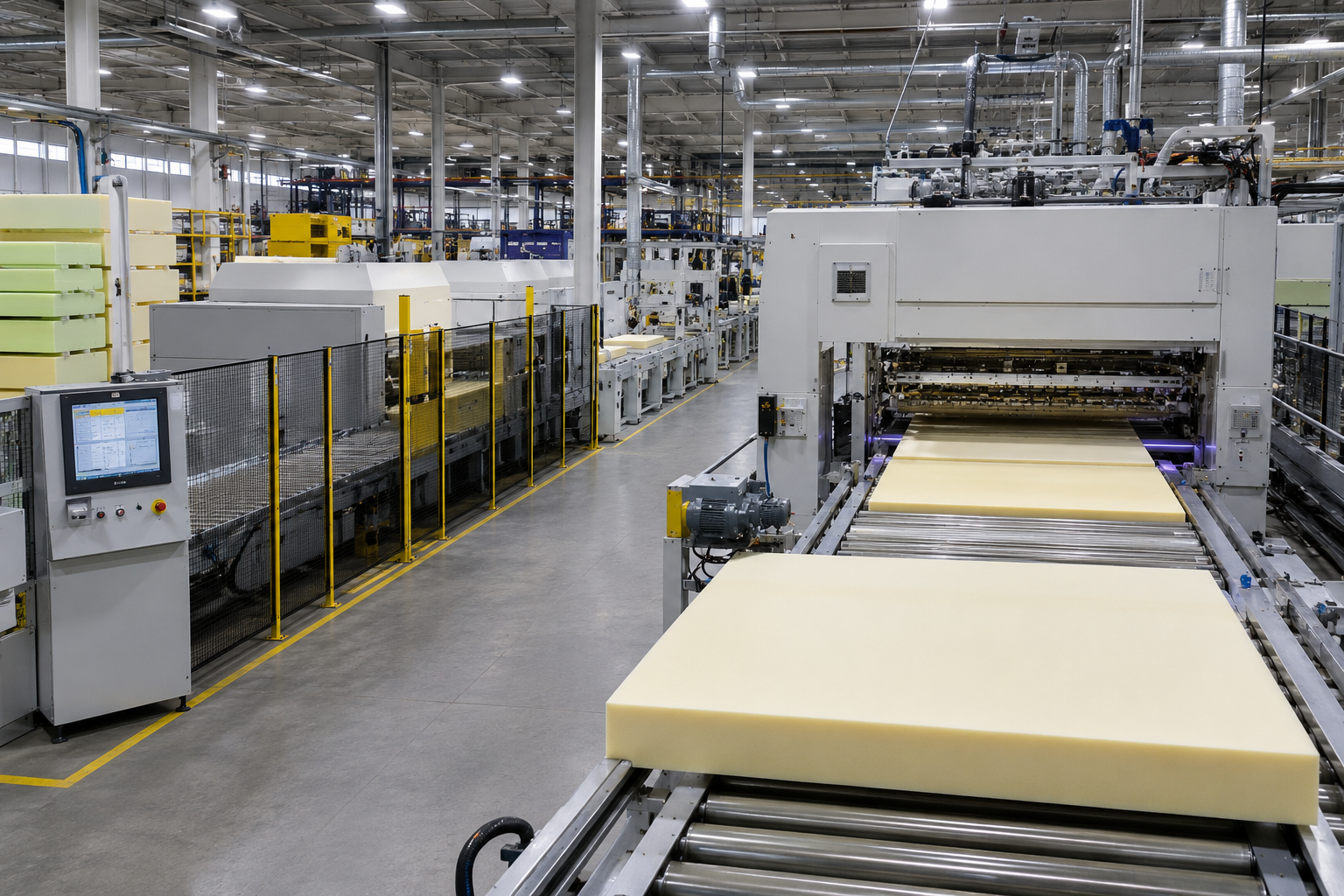
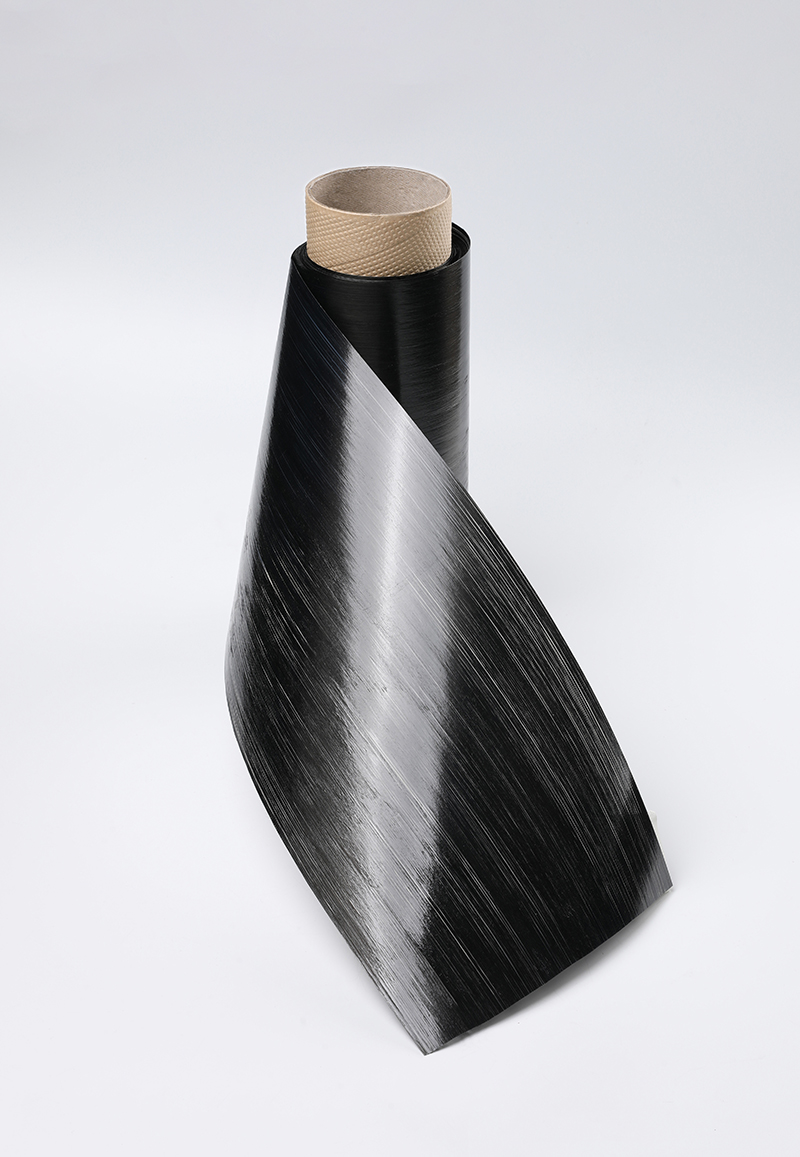
I still remember walking through a factory where everything looked impressive at first glance, yet quality complaints kept piling up month after month 😕, because while production volume was high, dimensional tolerances drifted, foam density varied between batches, and customers began noticing that yesterday’s shipment did not behave like today’s, and that experience taught me very clearly that when it comes to foam materials, volume without precision is not scale, it is risk.

In modern industries, whether we are talking about insulation, packaging, automotive, or appliances, customers no longer accept variability as an unavoidable reality, and this is exactly why solutions built on polyethylene foam and pe foam demand production systems that can repeat the same structure, density, and performance thousands of times without deviation.
High-volume foam production sounds simple on paper, but in reality it requires precise control over temperature, pressure, expansion ratios, and cutting accuracy, because even small fluctuations can translate into real-world performance gaps, and manufacturers like Durfoam understand that consistency is not achieved by inspection alone but by designing production capability that prevents variation from occurring in the first place.

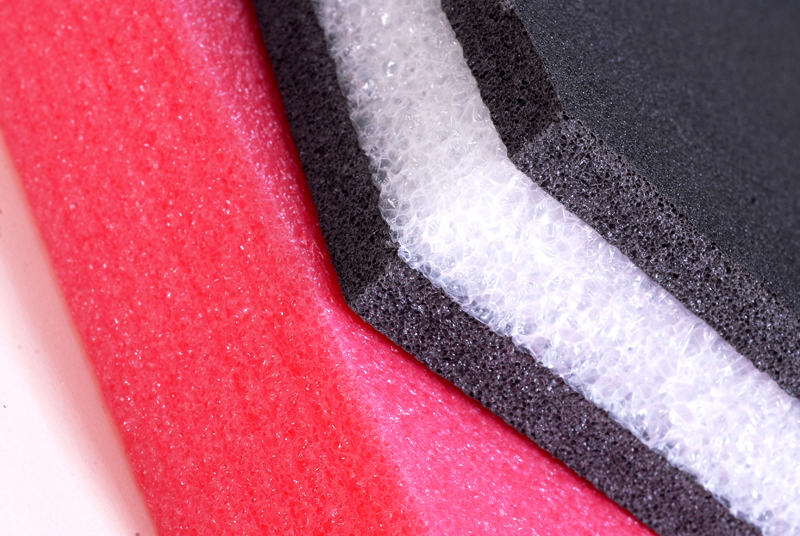
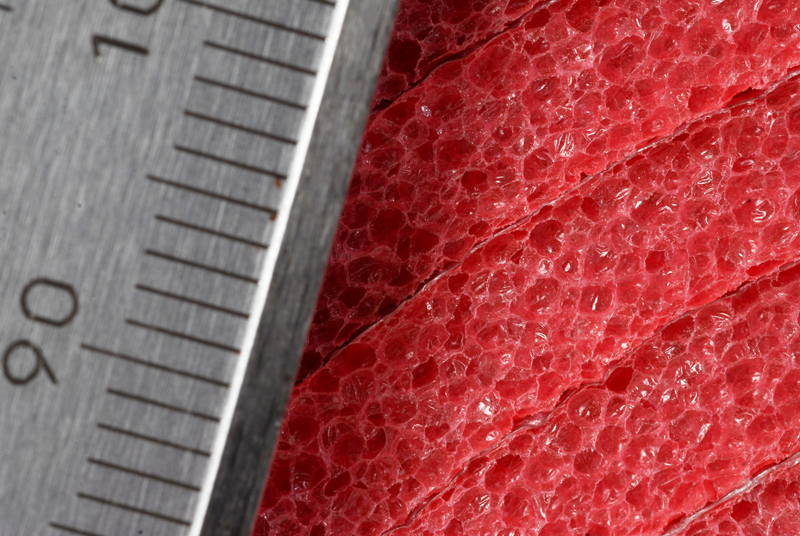
From my experience working with large-scale buyers, one of the most common pain points is batch inconsistency, where one shipment compresses perfectly while the next one feels softer or stiffer, and this is where advanced processes such as physically cross linked polyethylene foam production benefit enormously from modern equipment that maintains uniform energy distribution across the entire foam structure, ensuring predictable elasticity and recovery 🌡️.
When production volumes increase further and applications become more demanding, stability under load and temperature becomes even more critical, and here chemically cross linked polyethylene foam highlights how controlled formulations and tightly managed curing processes deliver foam that behaves the same way whether you produce hundreds or hundreds of thousands of units.
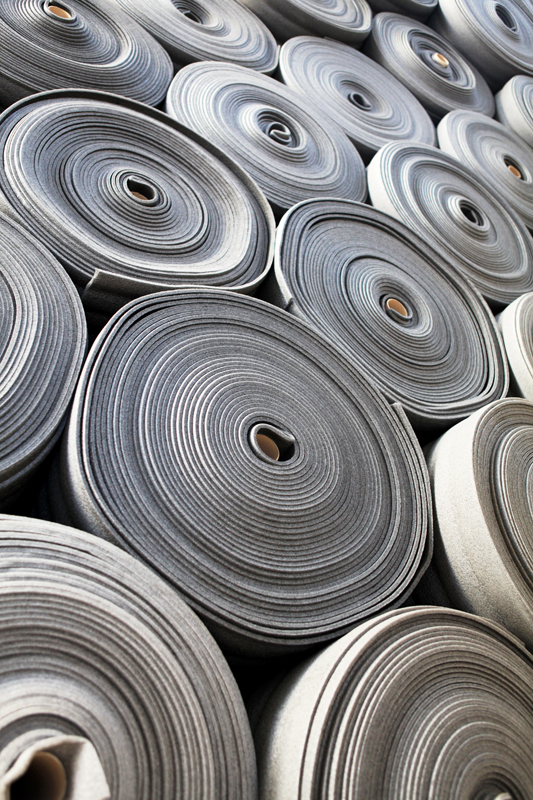
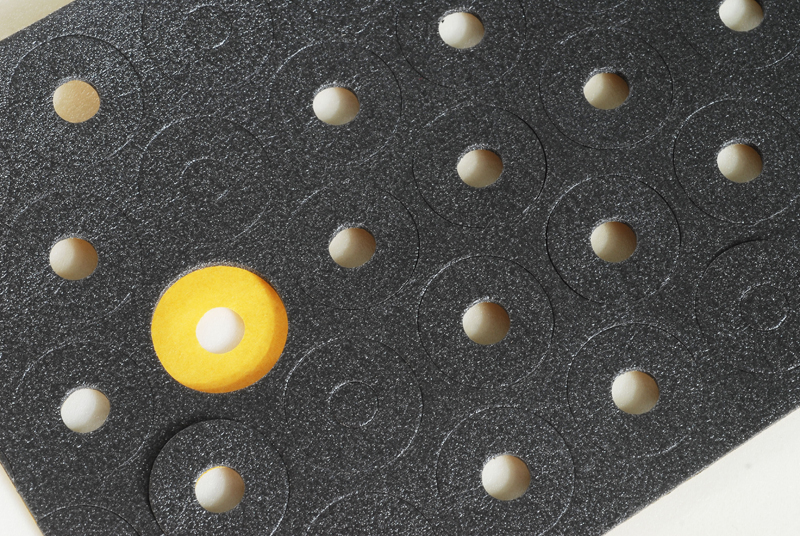
What consistently impresses me when reviewing production audits is how Durfoam aligns automation with material science, because sensors, inline measurements, and controlled cutting systems are only valuable when they are paired with deep understanding of foam behavior, allowing every meter of foam to meet the same performance criteria regardless of production speed.
| Production Challenge | Risk at High Volume | Modern Capability Advantage |
|---|---|---|
| Density Control | Performance variation | Inline process monitoring |
| Dimensional Accuracy | Installation issues | Precision cutting systems |
| Batch Consistency | Customer complaints | Standardized cross-linking |
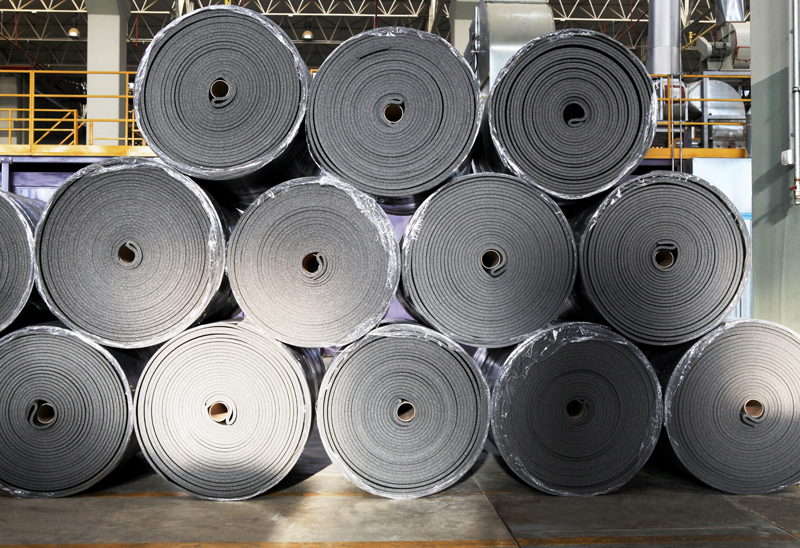
I once worked with a global client who sourced foam from multiple suppliers, and the hidden cost of inconsistency quickly became clear when assembly lines slowed down due to unpredictable material behavior, yet after consolidating supply with Durfoam, the reduction in rejects and line stoppages justified the decision almost immediately 😊.
Another often overlooked factor is traceability, because high-volume production without documentation creates uncertainty during audits and product recalls, and closed-cell polyethylene foam manufactured under controlled systems allows every batch to be traced back to defined parameters, reinforcing confidence across the supply chain.
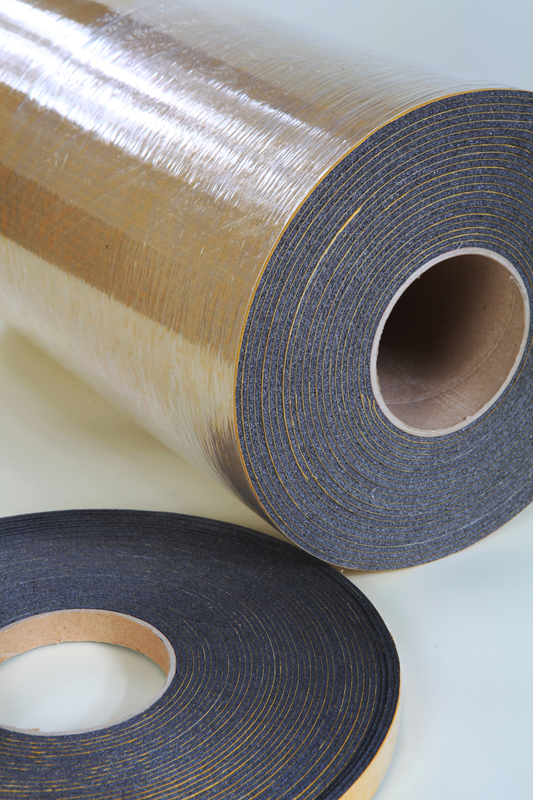
From an EEAT perspective, modern production capability directly supports experience, expertise, authority, and trust, because consistent output proves that knowledge is embedded into systems rather than individuals, and this is one of the strongest reasons why Durfoam continues to be specified for projects where quality must remain identical from the first unit to the last.
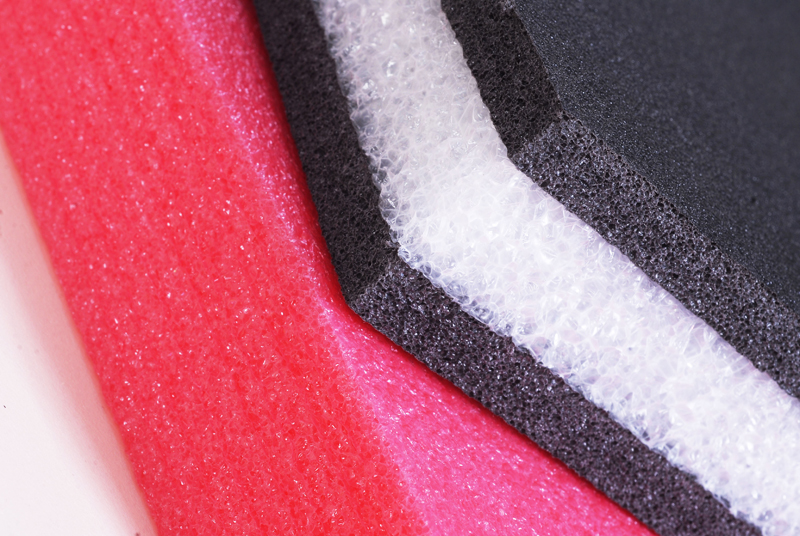
Understanding where and how high-volume foam is produced becomes especially important when long-term supply agreements and global distribution are involved, and knowing that Durfoam operates with scalable, precision-driven manufacturing reassures buyers that growth will not come at the expense of quality.
Looking back at years of production reviews and supplier transitions, I have learned that high-volume, high-precision foam needs are not met by promises but by capability, and by investing in modern production systems like those used by Durfoam, companies can achieve consistent quality at scale, protecting performance, reputation, and long-term partnerships all at once 🚀.