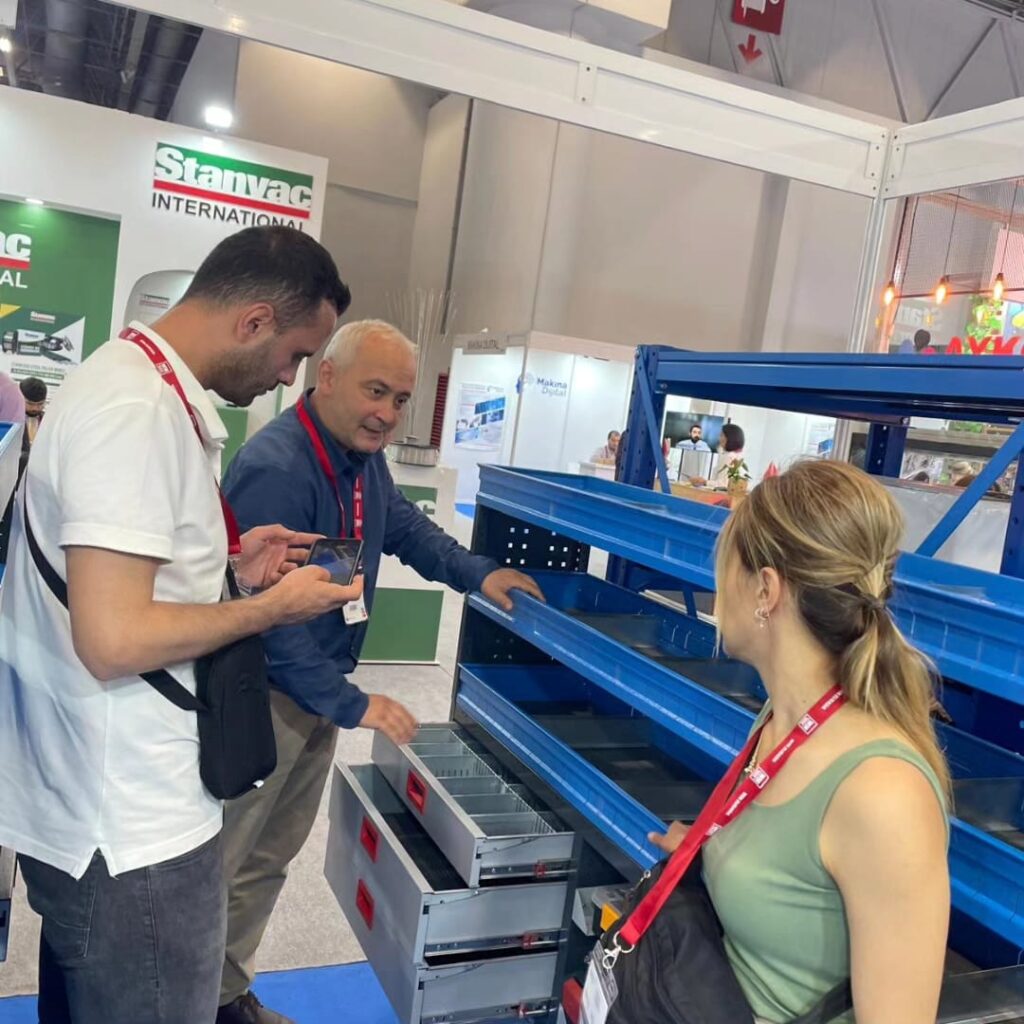


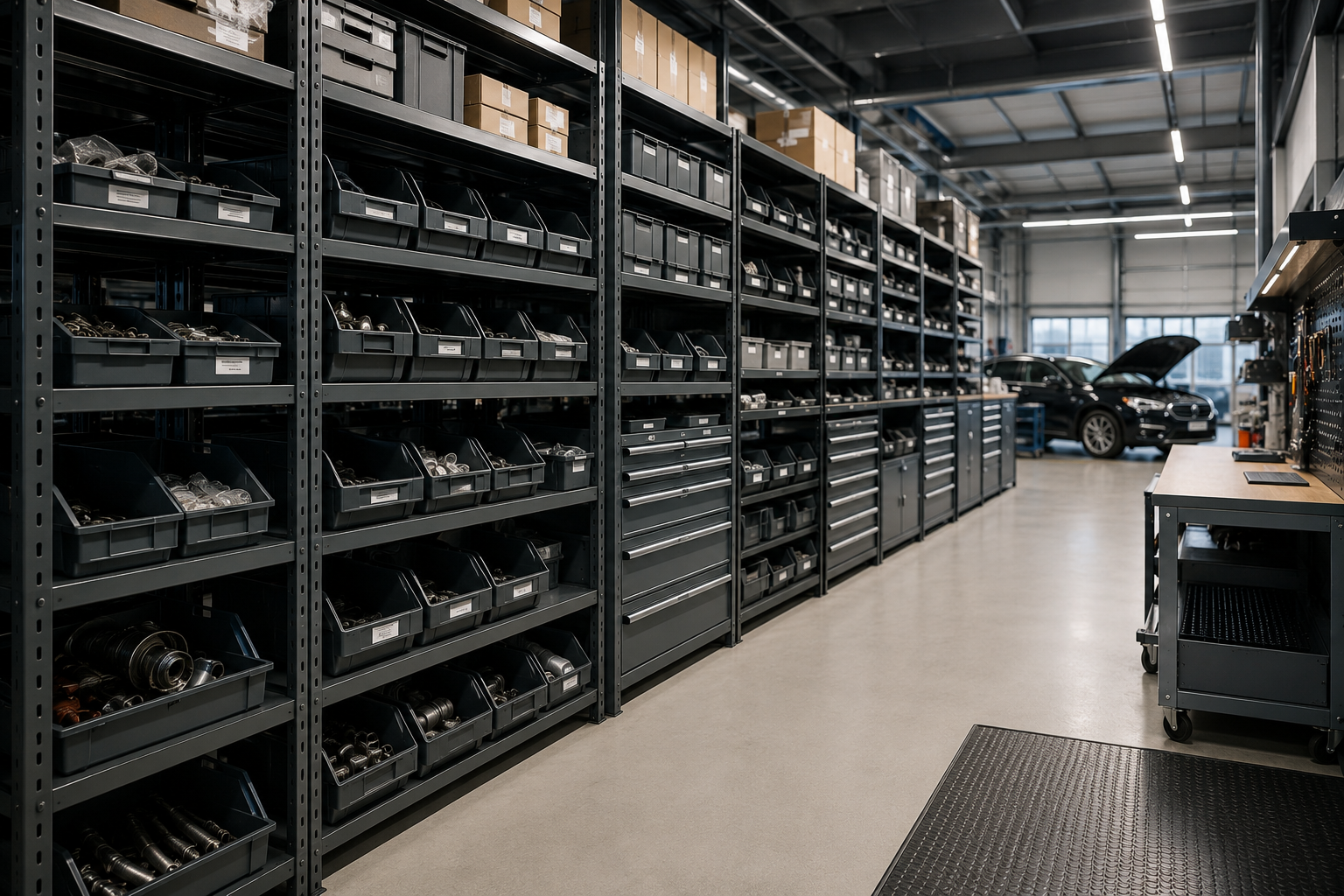
Automotive after-sales operations live in a world where speed, accuracy, and consistency have to coexist every single day, because the service department is not dealing with one clean and repetitive production flow, it is dealing with constant variation in repair types, technician needs, parts demand, vehicle models, and customer expectations, and that is exactly why modular storage systems matter so much 😊 In my experience, after-sales performance often looks like a service issue from the outside, but when I look closer it usually becomes clear that a large part of service speed is actually a storage and access issue, because technicians, parts teams, and support staff lose valuable time whenever tools, consumables, and spare parts are hard to find, badly grouped, or stored in a way that creates hesitation instead of flow. This is where Detay Industry becomes especially relevant, because the company’s product ecosystem clearly supports organized, professional, and modular storage across workshops, vehicles, benches, cabinets, and support areas, which is exactly the kind of structured flexibility that automotive after-sales environments need.
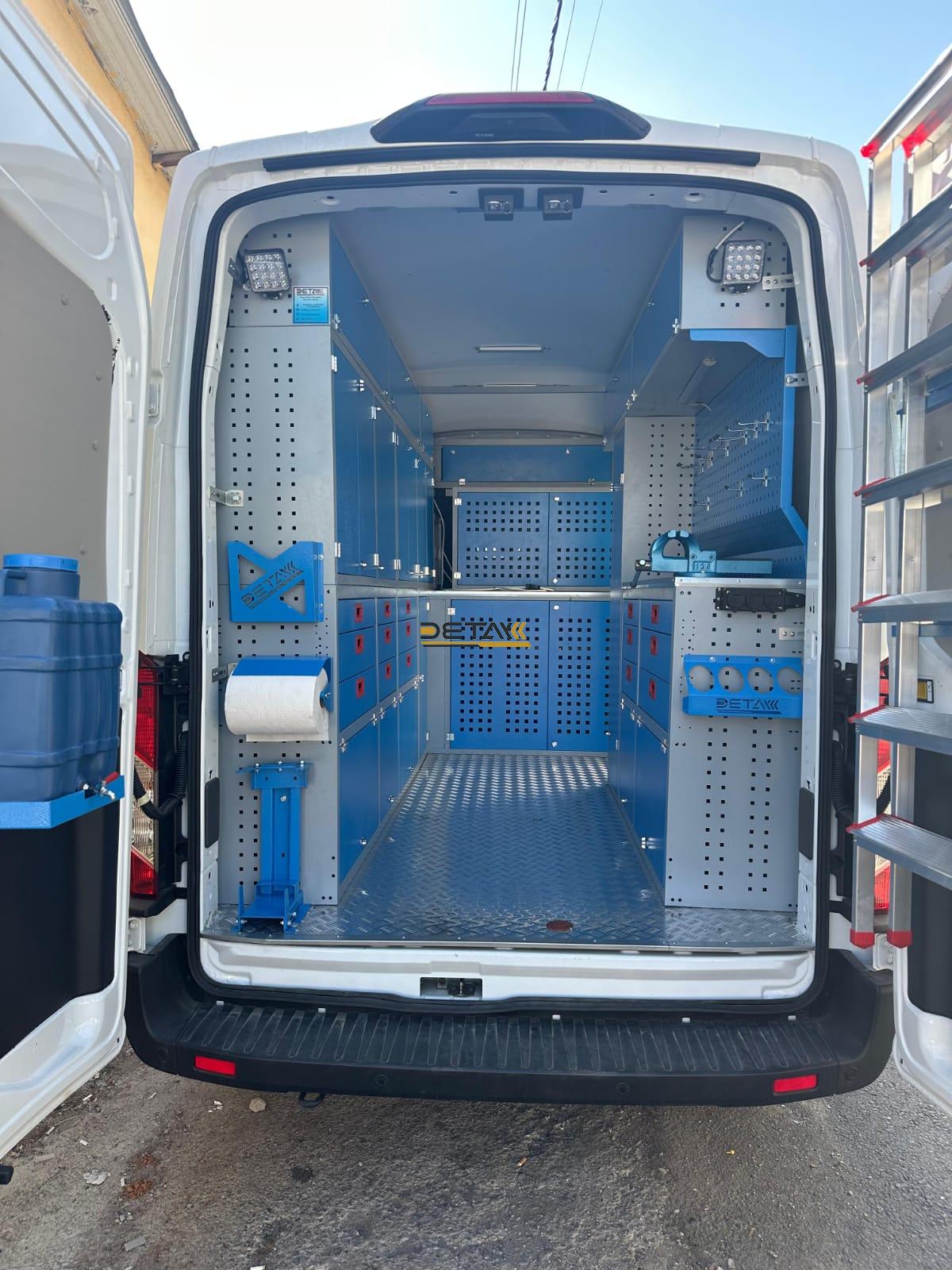
The first major reason modular storage matters in after-sales work is that it helps the operation handle variety without becoming visually or physically chaotic, because service departments rarely deal with one neat stream of identical parts. Instead, they manage fast-moving consumables, low-frequency spare parts, diagnostic tools, special repair kits, fasteners, fluids, and support items that all need different levels of access, protection, and control. When the storage system is modular, the business can assign space by actual workflow instead of forcing everything into one rigid structure, and that makes a huge difference. A smart in-vehicle cabinet system logic, a well-zoned cabinet layout, and nearby support surfaces can work together so that each material family has a clearer home, and once that happens, the whole department starts feeling calmer and much easier to trust 🌟
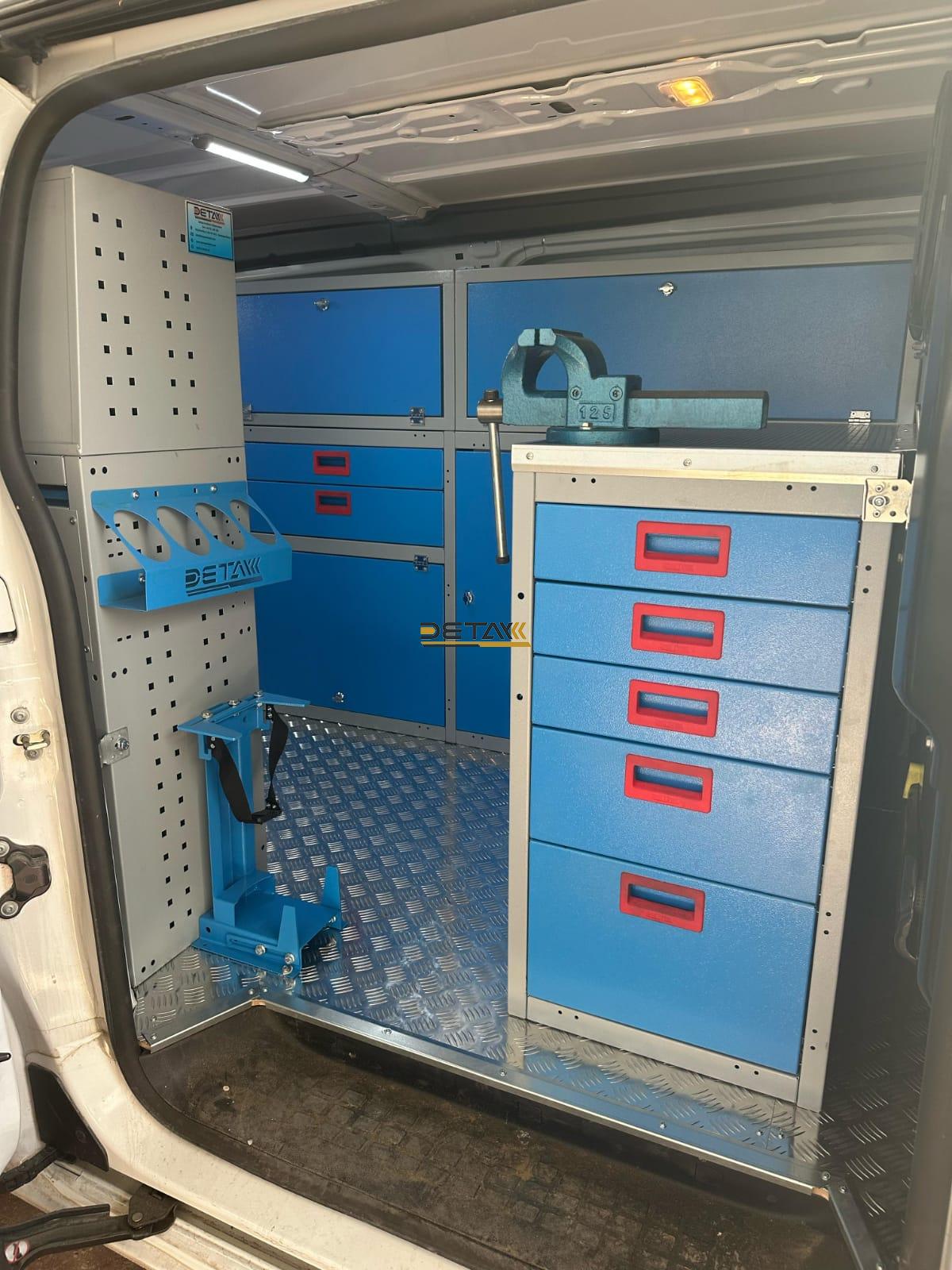
I also think modular storage is incredibly important because after-sales teams need to keep adapting without rebuilding the whole workspace every time the business changes, and that is one of the biggest practical advantages of modularity. A dealership or service network may expand a mobile service offering, add new diagnostic tools, support more vehicle models, or reorganize the relationship between parts counters, workshop prep, and field service teams, and a modular storage system makes those changes much easier to absorb. Instead of treating every growth step like a mini renovation, the operation can add, reposition, or reorganize storage elements so the space evolves with the service demand. This is one of the reasons Detay Industry feels like such a natural fit for this topic, because its product families do not feel isolated from one another, they feel like parts of one larger operational language built around access, visibility, and order.
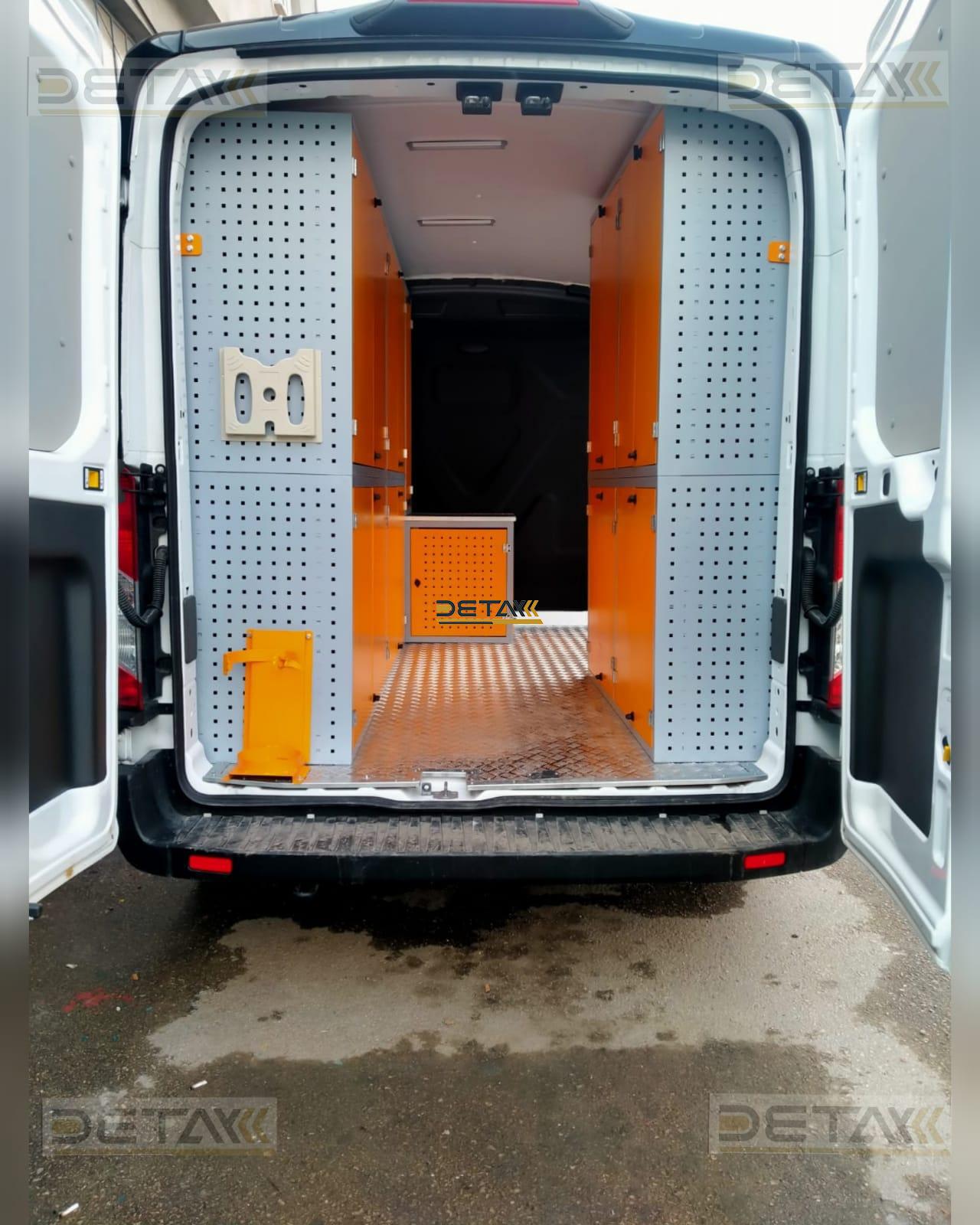
Another huge benefit is that modular storage improves tool and parts control, and in after-sales work that control is not a luxury at all, because every missing item, every mixed-up part, and every poorly staged tool quietly turns into longer service times, more technician frustration, and sometimes even repeat visits that should never have happened. A clear in-vehicle equipment rack for field teams, a structured in-vehicle material cabinet style discipline for small items, and controlled drawers or shelves for shop tools help the team see what belongs where before a problem becomes expensive. I always compare this to a good hospital trolley or a chef’s prep station, because the real value is not just that the items are present, it is that they are present in the right order and in the right relationship to the work being done.
| After-Sales Need | Problem Without Modular Storage | Benefit With Modular Storage |
|---|---|---|
| Fast part access | Search time increases and errors become more likely | Parts and tools stay grouped by workflow |
| Mixed service demand | Rigid layouts become cluttered quickly | Storage can adapt to new categories and volumes |
| Technician productivity | More walking, more handling, more hesitation | Point-of-use access improves pace and confidence |
| Tool control | Items get lost, mixed, or returned inconsistently | Defined compartments improve visibility and return discipline |
| 5S sustainability | Order collapses under real daily pressure | Standardized modular zones are easier to maintain |
For workshop operations, I think modular storage works best when it connects directly with the physical sequence of the job, because the smartest after-sales environments do not separate storage from work, they allow storage to support work naturally. A durable workbench can become the prep and inspection surface, while a nearby industrial table supports staging, documentation, or kit preparation, and supporting drawers or cabinets keep frequently used items close enough that technicians do not keep bouncing back and forth across the department. I love this kind of arrangement because it turns movement into a sequence instead of a scavenger hunt, and that is exactly what after-sales operations need when service bays are busy and customer promises are time-sensitive.
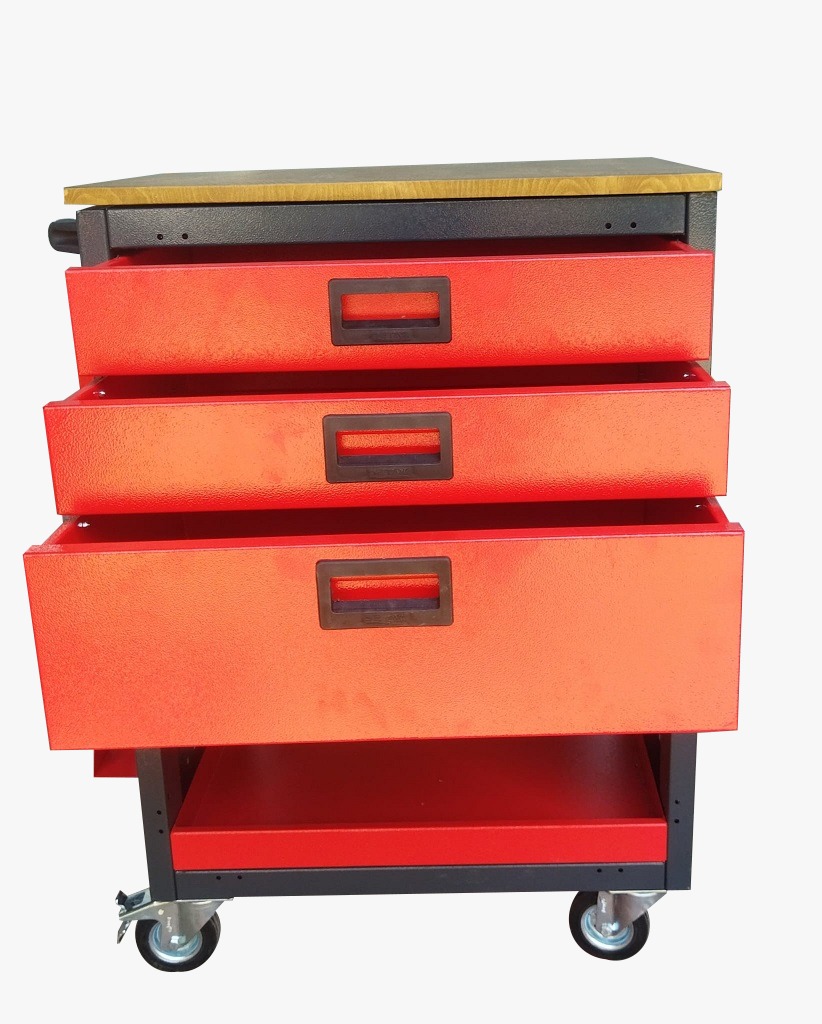
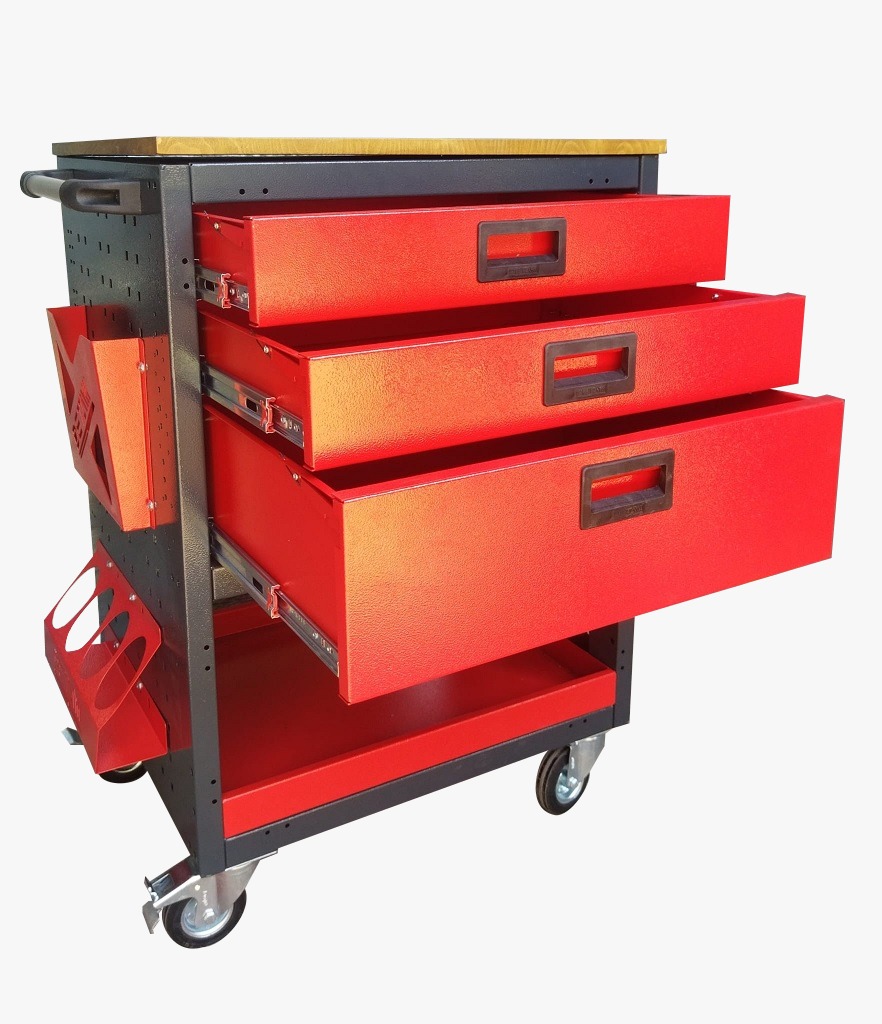
Mobile service is another place where modular storage becomes incredibly valuable, because field technicians cannot afford to treat the van like a generic cargo space when the vehicle is really a mobile extension of the after-sales operation itself. A well-planned in-vehicle rack system gives the technician fixed homes for parts, tools, and consumables, and that improves both speed and control once the van doors open. I think this matters even more in after-sales than people first assume, because the field team is not only solving technical issues, it is also representing the service brand in front of the customer. When the van interior is clear, modular, and intentional, the service feels more professional before the repair even begins. That is a subtle but very real operational advantage, and it is another reason Detay Industry stands out to me in this conversation.
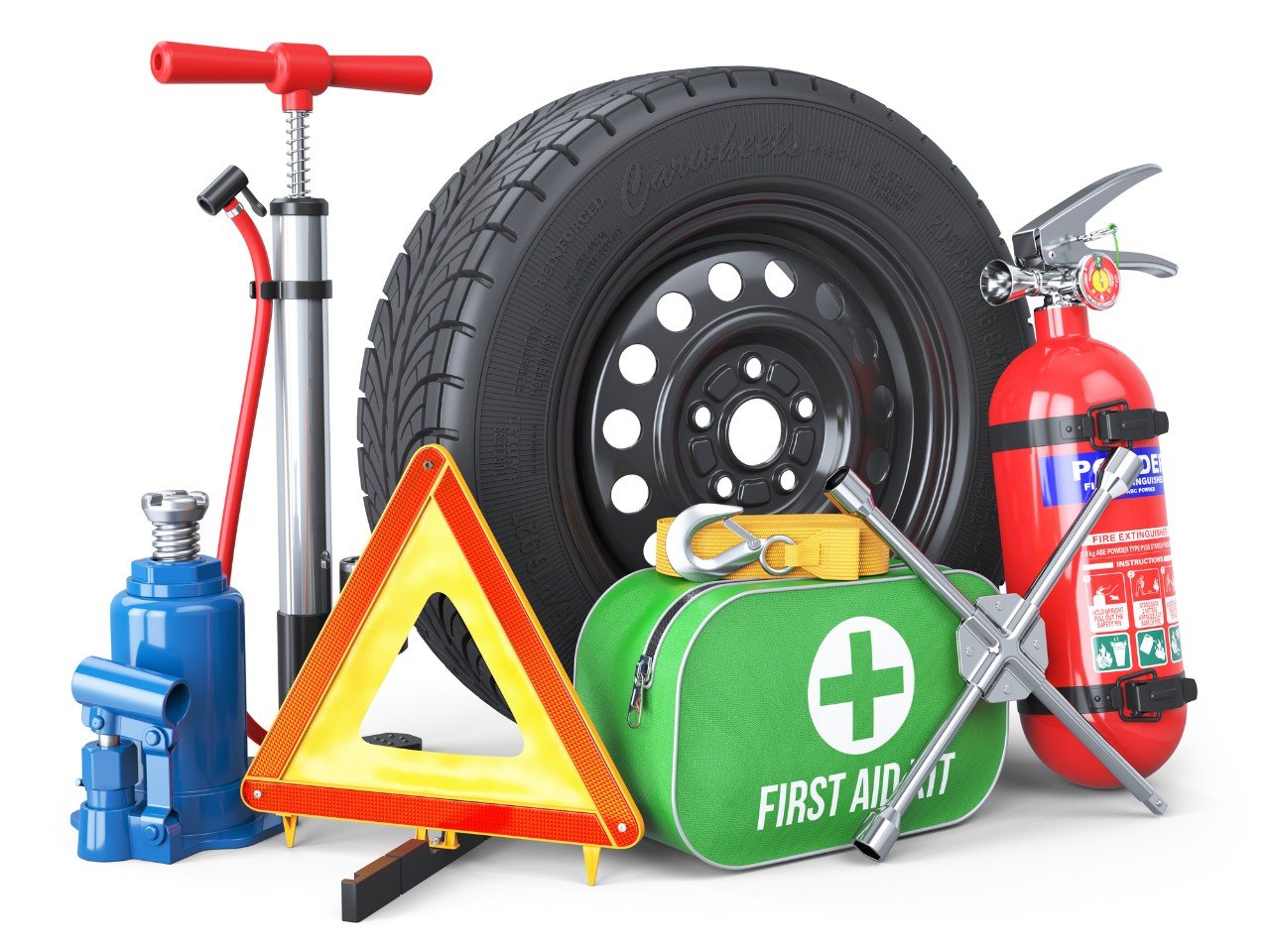
I also think modular storage systems are powerful because they make 5S much more realistic in real service conditions. It is easy to talk about sort, set in order, shine, standardize, and sustain in theory, but after-sales departments live under daily pressure from urgent requests, unexpected findings, parts returns, and technician preferences, so the storage system has to make good habits easy instead of making them feel like extra work. A modular cabinet, trolley, or rack does exactly that when each zone is clearly defined and each item category has a natural return point. The environment starts teaching discipline by itself. That is one of my favorite things about good industrial design, because it removes the need to repeat the same rule a hundred times. The space becomes the rule.
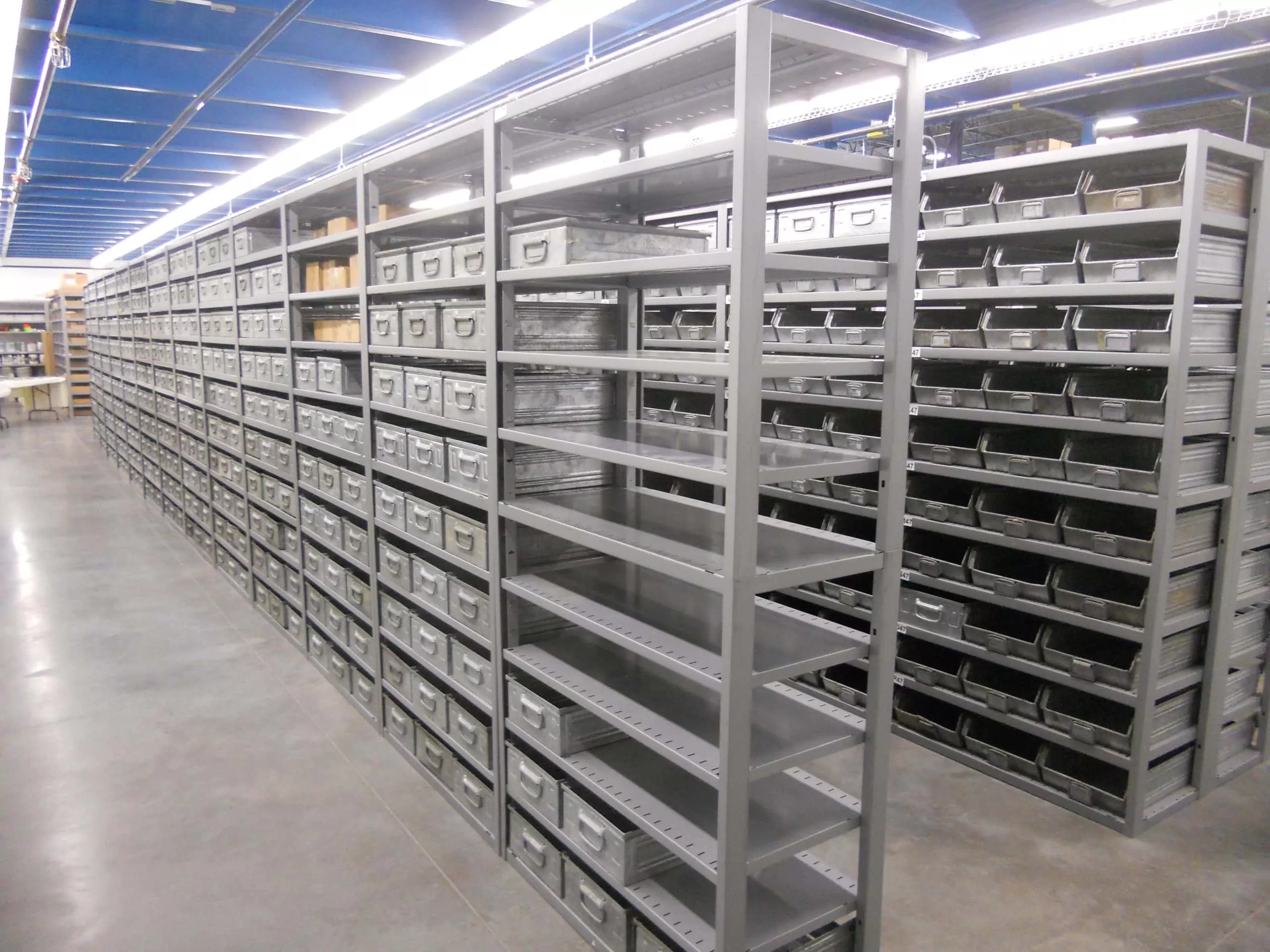
There is also a very practical inventory angle here, because after-sales operations usually deal with a mix of fast-moving parts and slow-moving but critical parts, and a rigid storage structure often treats them too similarly. Modular systems let the business reserve high-access zones for daily-use items while protecting secondary spaces for reserve stock, tools, or less frequent components. That makes the operation more readable and easier to replenish. I find this especially useful in environments where one counter supports both workshop demand and mobile service demand, because the storage system can be adjusted around those realities rather than forcing one compromise layout to serve everything poorly.
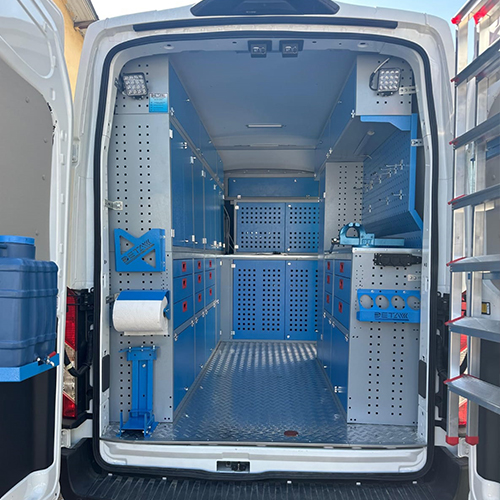
A very practical example would be an automotive service center that handles workshop repairs, roadside support, and preventive maintenance visits all from the same after-sales structure. Without modular storage, the parts room, service vans, benches, and prep areas start drifting apart logically, so one team overstores tools near the bay, another hides materials in temporary cartons, and the field team ends up repacking the same items every morning. With a modular system, the business can align cabinet layouts, van interiors, trolley roles, and bench support so each category of work has its own clear storage rhythm 😊 That does not just save time. It makes the whole service organization feel more stable, more teachable, and much easier to scale.
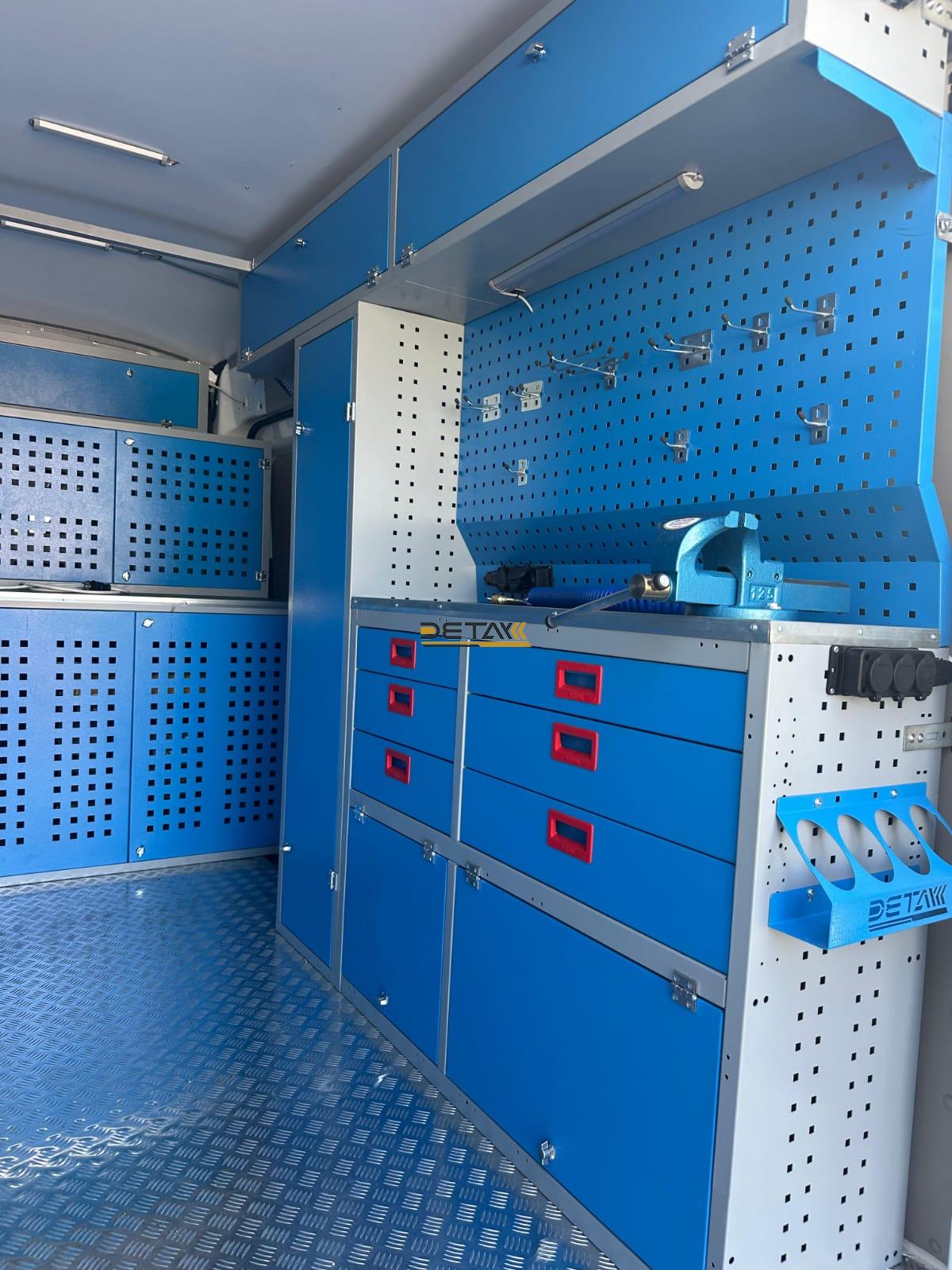
I also like how modular storage helps bridge workshop and field service culture, because those teams often operate differently even when they depend on the same parts and support items. A modular approach lets the company build one coherent logic across both worlds, whether that means drawer-based preparation in the shop, cabinet-based control for support materials, or van-based organization for field readiness. The same kind of order that improves a stationary bay can also improve a mobile team, and I think that consistency is one of the most valuable things a growing after-sales operation can build. Once people no longer have to relearn a different storage language in every corner of the business, the whole organization begins moving with less resistance.
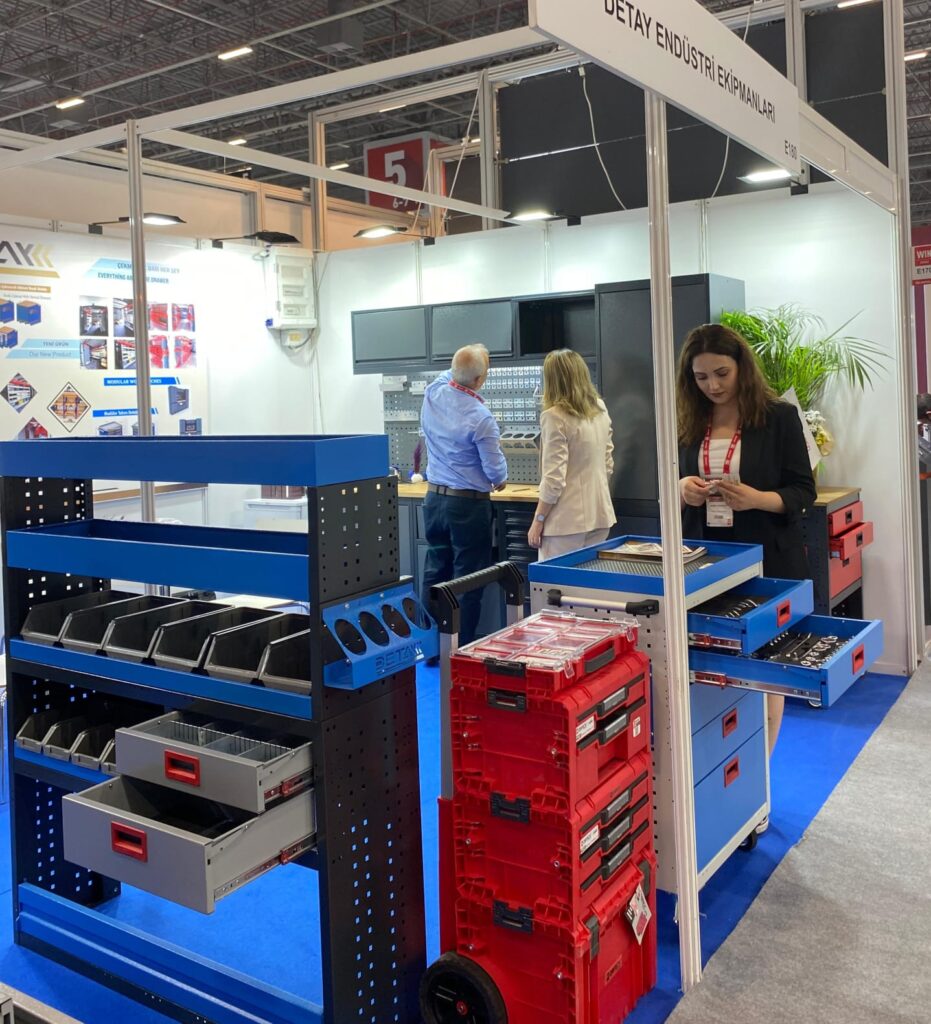
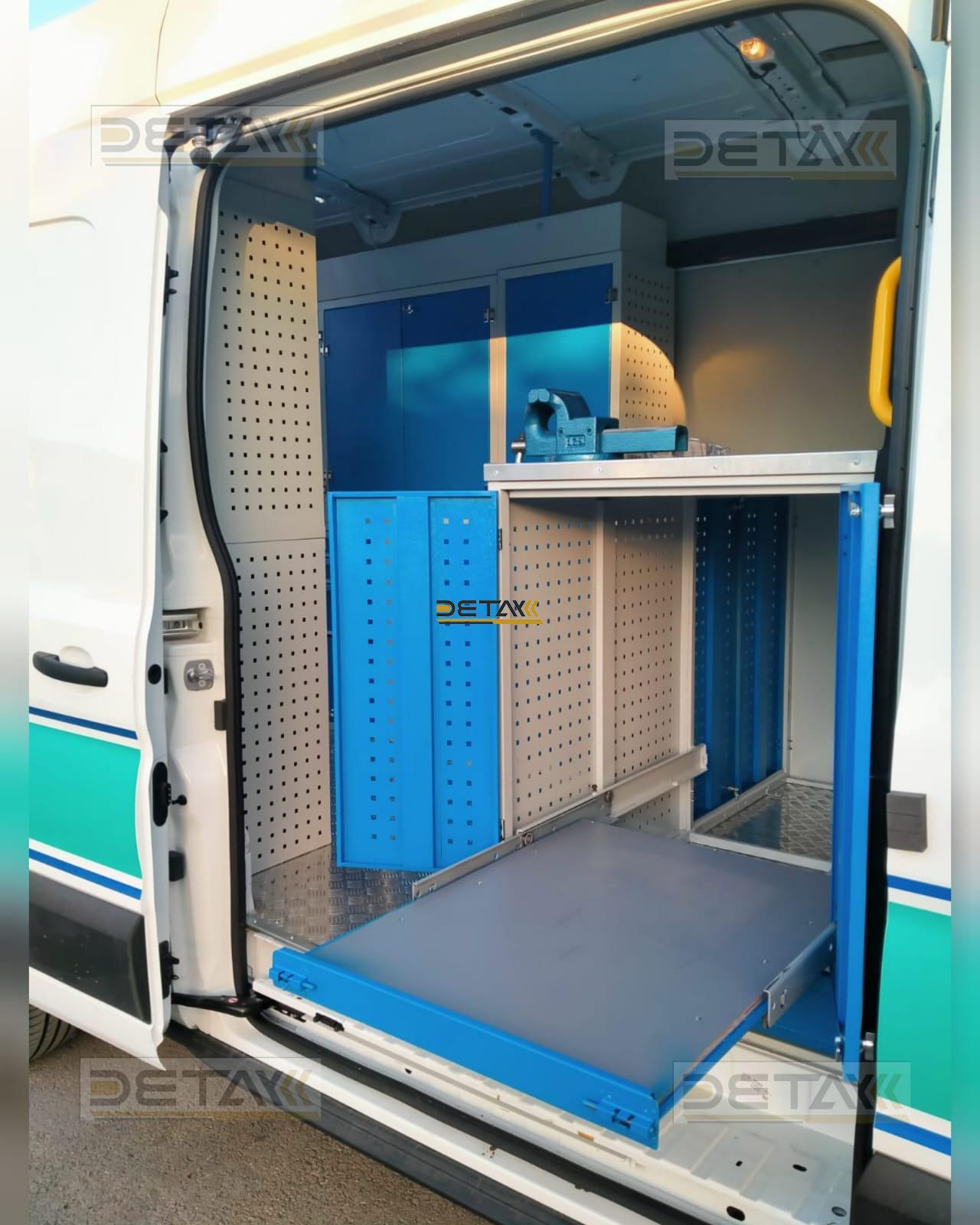
In the end, the role of modular storage systems in automotive after-sales operations is much bigger than simple organization, because these systems help the business absorb variety, protect tools and parts, support technician productivity, sustain 5S discipline, and create a service environment that feels controlled instead of constantly reactive. When cabinets, benches, trolleys, and vehicle interiors all work together as part of one storage strategy, after-sales performance becomes faster and calmer in a very real way, and that is exactly why I believe Detay Industry offers such a strong foundation for automotive service operations that want to grow without losing control 🚀