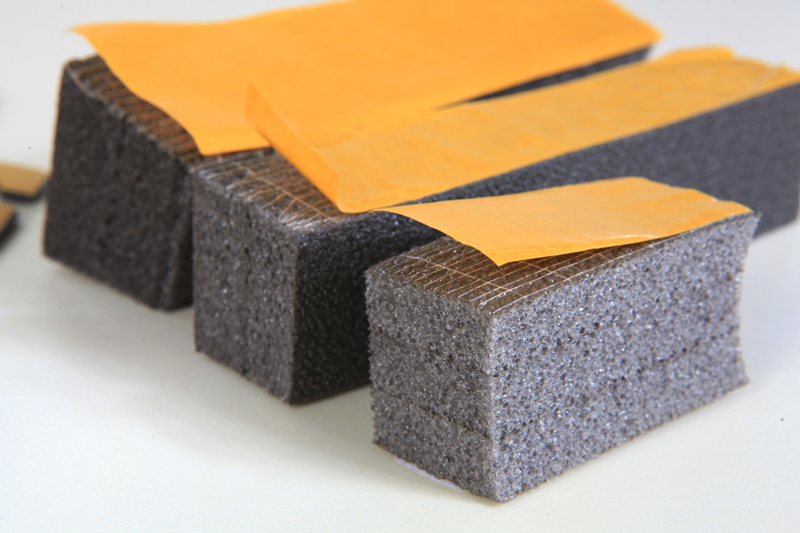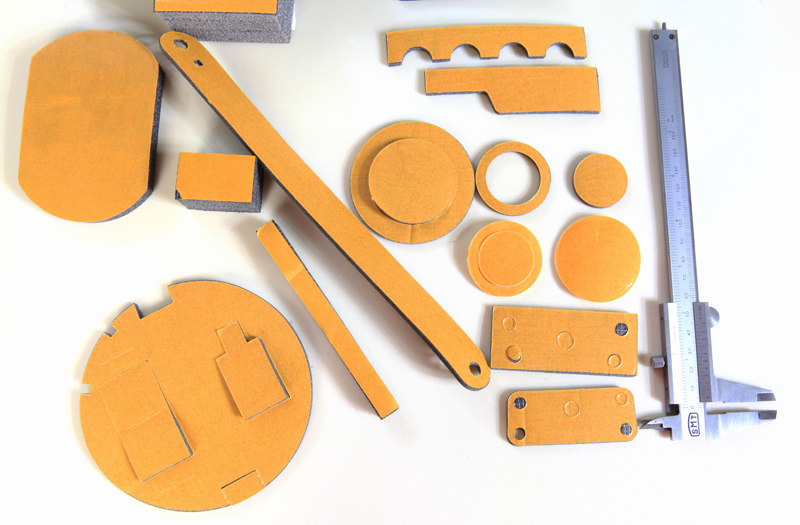


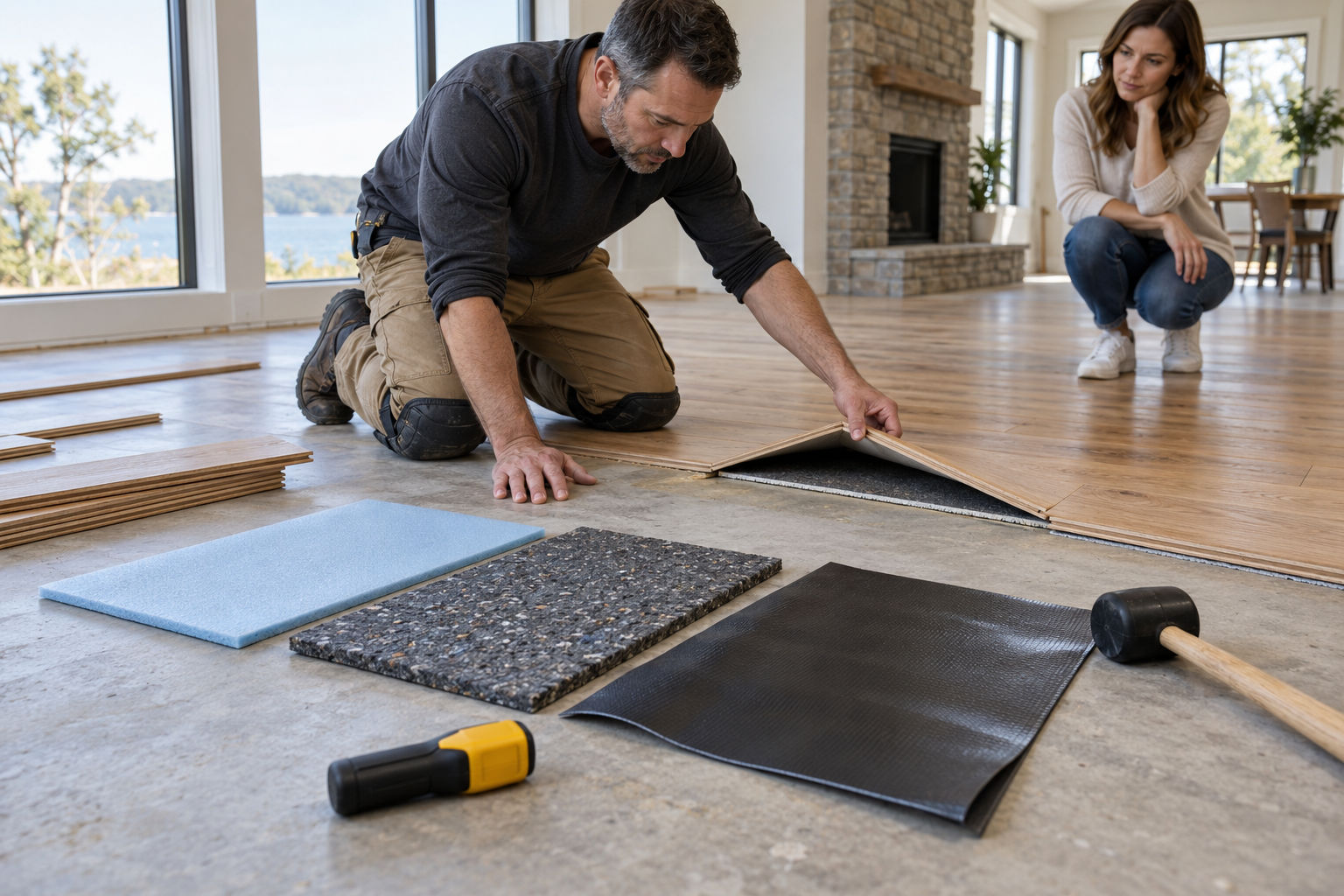
Choosing an underlay for parquet flooring is often seen as a minor detail, but I can say quite clearly that a significant part of real flooring comfort actually begins here 😊 Because although we tend to think of parquet as the layer we see, the temperature balance we feel under our feet, the amount of sound transmitted to the floor below, whether the floor feels solid or hollow, and how effectively moisture related risks are managed largely depend on the quality of the underlay beneath it. For this reason, choosing the right underlay for insulation beneath parquet flooring is not simply a matter of “buying a thin underlay”; it actually means being able to evaluate thermal, sound, and moisture performance together. This is also explained very clearly on Durfoam’s Floorlayer and Floormax product pages; while one emphasizes maximum insulation against heat, sound, and moisture beneath parquet flooring, the other offers an approach that supports sound, thermal, and moisture insulation in residential spaces with a single product. In my view, a good flooring experience is also created by the unseen layers doing their job properly.
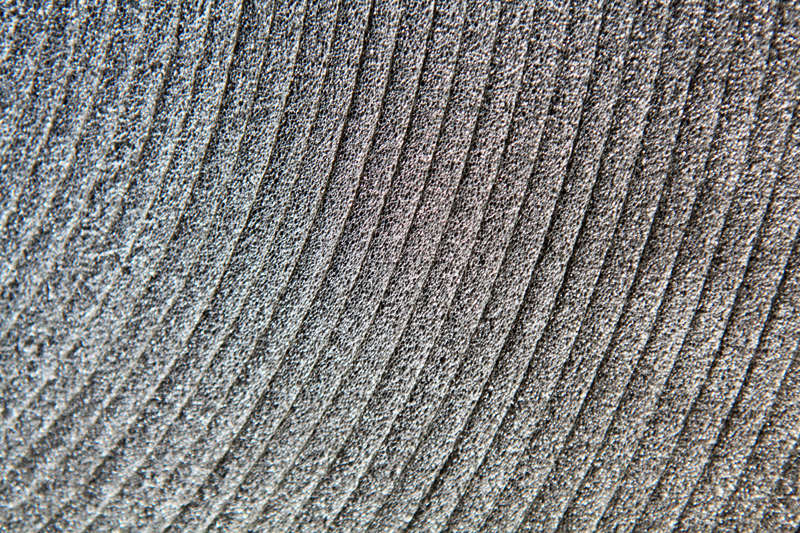
When choosing an underlay, I first ask these three questions: Is the priority for this floor thermal comfort, impact sound reduction, or moisture protection? Because these three criteria may not carry the same weight in every project. For example, thermal performance may become more important on a floor that feels cold or has an unheated space below it, while in apartment living the main concern is often footsteps and impact noise. In applications over newly poured concrete screed, moisture behavior can become the central issue. The EPLF technical bulletin also clearly demonstrates that thermal resistance, impact sound performance, and moisture barrier layers need to be considered together when evaluating the performance of parquet and underlay systems. In other words, a good underlay is not one that performs well in only one area, but one that creates the right balance across the entire flooring system.
Let us start with thermal performance. When evaluating thermal performance in an underlay beneath parquet flooring, it is not enough to simply ask whether it provides thermal insulation; what really matters is choosing the correct thermal resistance according to the intended use of the floor. If there is underfloor heating, an underlay with excessively high thermal resistance can become a disadvantage rather than an advantage because it may reduce the efficiency of the system. The Classen installation guide and EPLF state that in underfloor heating systems, the total thermal resistance of the complete flooring structure should generally not exceed 0.15 m²K/W. Therefore, if your floor has underfloor heating, the idea that “thicker is always better” usually does not apply when choosing an underlay. However, if there is no underfloor heating and the floor feels cold, a solution that provides more balanced thermal comfort can make a noticeable difference. The emphasis on helping retain heat indoors in Durfoam’s Floorlayer approach is important for exactly this reason.
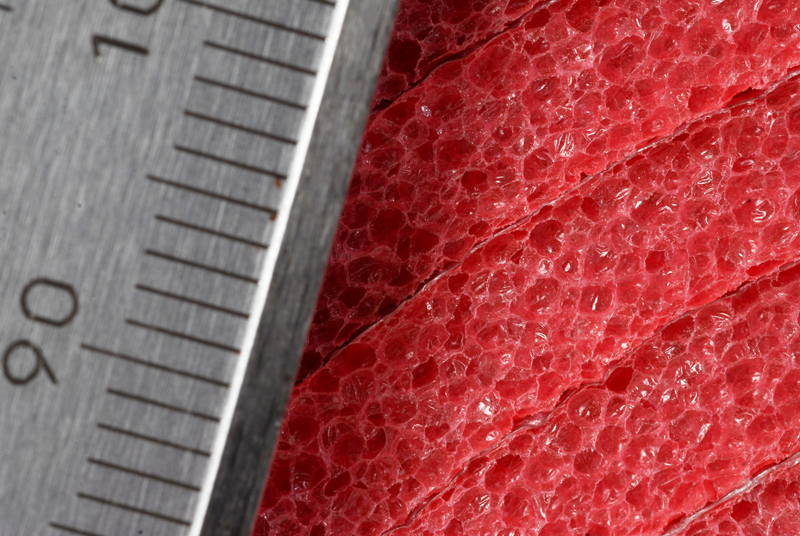
Key Performance Criteria When Choosing an Underlay for Parquet Flooring
| Criterion | What does it mean? | How should it be interpreted correctly? |
|---|---|---|
| Thermal resistance | How strongly the floor resists heat transfer | It should be low and appropriate for underfloor heating, and balanced for cold floors |
| Impact sound reduction | How effectively sound caused by footsteps and moving furniture is dampened | It is a critical criterion in apartments and multi-storey buildings |
| Moisture barrier performance | How much protection the underlay provides against moisture coming from below | It is particularly important in applications over concrete screed and on ground floors |
| Compression resistance | Whether the material collapses or compresses over time | It is necessary for a durable and solid feeling floor |
| Surface and installation quality | Ease of installation, quality of joints, and overall stability | Proper installation determines the outcome just as much as a good product does |
Sound performance, in my opinion, is one of the differences that people notice most quickly in homes in Türkiye 🎧 This is because people may notice thermal performance after a few days and moisture related issues perhaps only after several months, but footstep noise and impact sound transmitted to the floor below can often be noticed from the very first day. The important point here is that sound performance has two dimensions: walking comfort within the room and the transmission of impact noise into the building structure. Especially in floating floor systems, an underlay can absorb small vibrations, improving the feeling underfoot while also reducing disturbing sound transmitted to the floor below. Durfoam’s Floormax description states that its strong closed cell and cross linked structure helps reduce sound transmission between floors. For this reason, I believe that in apartments, residences, and multi-storey living spaces, underlay selection should not be viewed merely as another accessory on the parquet manufacturer’s list; it is actually a decision that directly affects quality of life.

Moisture performance is one of the most critical yet most frequently overlooked considerations. In my experience, many people focus only on the pattern and thickness of the parquet when installing a floor, while the risk of moisture rising from below receives much less attention. However, laminate and parquet flooring systems can be sensitive to moisture. Arbiton’s guide emphasizes that the subfloor in laminate flooring applications needs to be dry, clean, and structurally sound, and that moisture levels measured in cement based substrates should remain within acceptable limits. Amorim, meanwhile, recommends applying a moisture barrier first in floating floor systems and installing it with the appropriate minimum sd value and correct overlap details. This is why the question “Does the underlay include a moisture barrier or not?” is extremely important. A closed cell structure provides a major advantage here because it allows the material to behave in a more controlled way against moisture. This is precisely why polyethylene foams and, depending on the requirements of the project, PE foams can create a reliable foundation beneath parquet flooring.
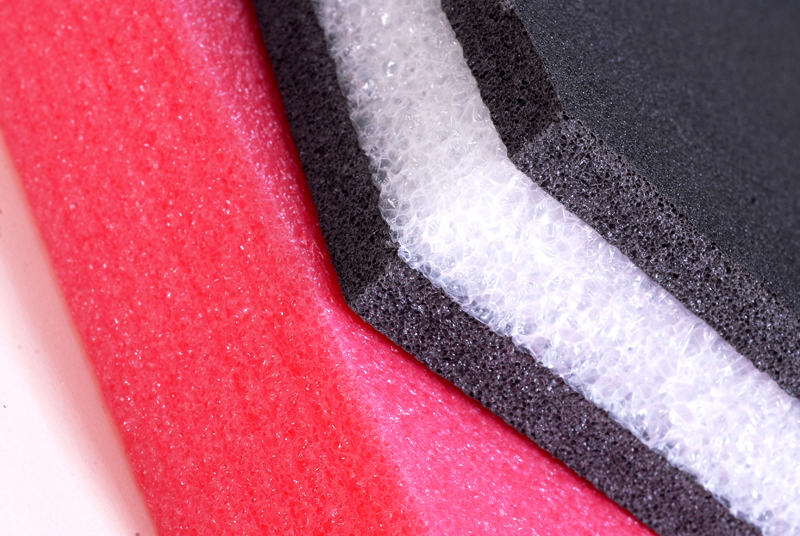
The compression resistance of the underlay is also extremely important. An underlay that feels good on the first day but begins to collapse after a few months can negatively affect both walking comfort and the joints between the parquet boards by creating unwanted movement. Durfoam’s Floorlayer content emphasizes that cross linked polyethylene products are durable and can be manufactured at the required density. This is a very important detail because an underlay beneath parquet flooring works somewhat like an invisible spring system. If it is too soft, the system may lose stability, while if it is too rigid, comfort can decrease. The correct density, correct thickness, and appropriate cell structure therefore need to be considered together. In particular, chemically cross linked polyethylene foams and, where appropriate, physically cross linked polyethylene foams can also be evaluated when more refined and long lasting performance is expected.
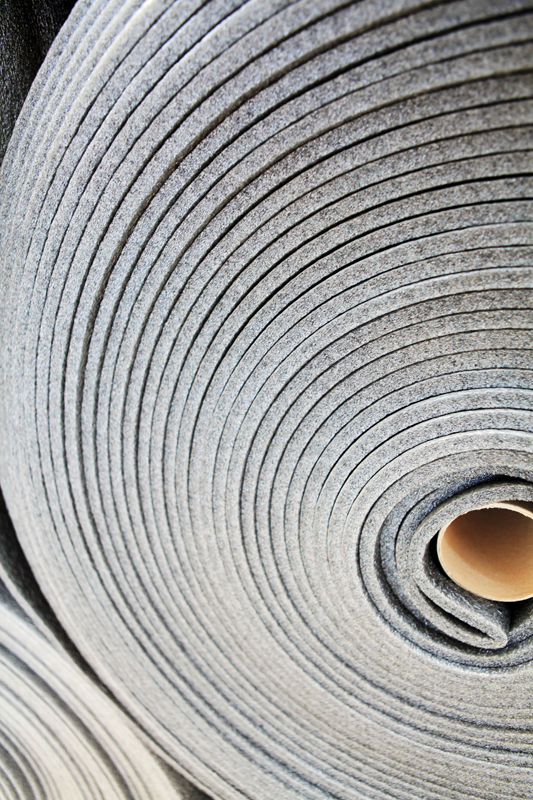
I also place great importance on making practical decisions based on the specific installation scenario when choosing an underlay. For example, if you have a neighbor living below you and everyday household noise is an important concern, sound performance should be prioritized. If you are working on a ground floor or over freshly poured concrete screed, moisture protection should come first. In homes with underfloor heating, selecting a product without correctly evaluating the total thermal resistance would be a mistake. If you expect a little of everything, meaning that in a typical apartment you want reasonable protection against temperature imbalance and moisture risks while also improving walking comfort, a well balanced closed cell PE foam underlay can be a very effective solution. Durfoam’s product range is valuable in this respect because it does not offer a one dimensional approach; instead, it allows a product strategy to be built around the actual needs of the floor.
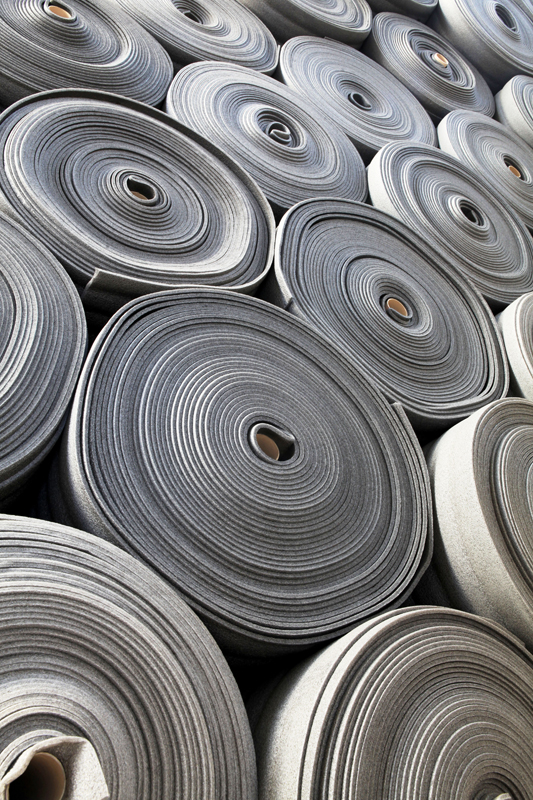
A Short Example
Example scenario: Let us say that the laminate flooring in an apartment is going to be replaced. The subfloor consists of concrete screed, there is no underfloor heating, and the occupant’s primary complaint is footstep noise being transmitted to the apartment below. At the same time, the floor feels somewhat cold during winter. In this case, choosing only a thin and economical underlay may reduce the initial cost, but it may fail to provide the desired comfort in the long term. When a closed cell PE foam underlay with appropriate density and combined thermal and impact sound performance is used, the floor can feel more solid underfoot, sound transmission can be reduced, and the overall floor can begin to feel more balanced. If there is also a moisture risk in the subfloor, the system becomes significantly safer when combined with the appropriate barrier detail. In my opinion, this is exactly what choosing an underlay beneath parquet flooring is all about: creating a major difference with a thin layer.
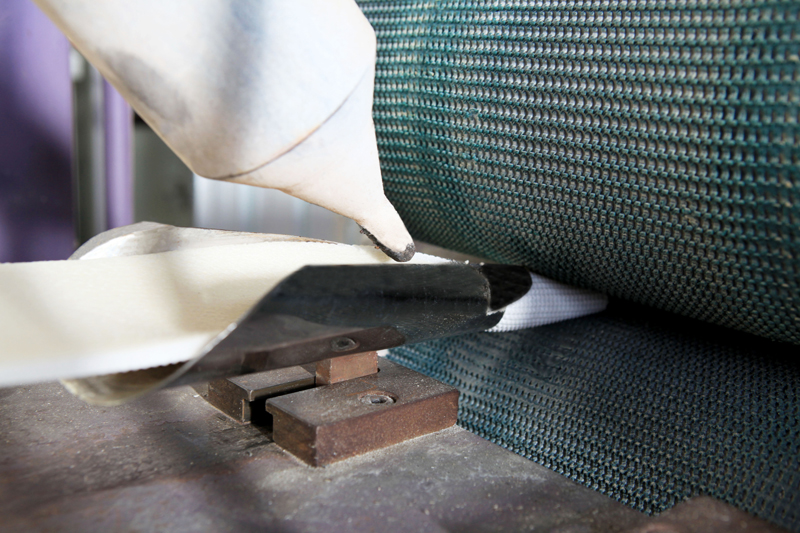
Installation quality is just as important as the product itself when choosing an underlay. If joints, overlaps, subfloor preparation, moisture barrier use, and perimeter details along the walls are not executed correctly, even the best product may fail to deliver the expected result. The BuildDirect guide also explains that underlayment not only contributes to sound and thermal performance, but can also help level the floor, provide protection against moisture vapor, and extend the lifespan of the flooring. In other words, the issue is not simply purchasing a material, but creating the right flooring system. For this reason, working with a polyethylene foam manufacturer and, where necessary, a PE foam manufacturer on technical details can make a significant difference.
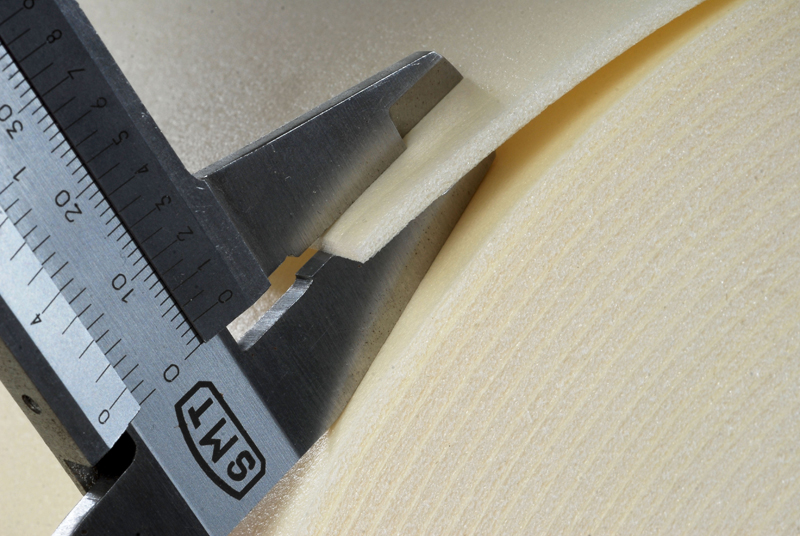
I also cannot ignore the emotional side of the matter 🤍 When people enter their homes, they want the floor to feel warmer, to provide a solid sensation while walking, and not to transmit enough noise to negatively affect relationships with their neighbors. These are not luxuries; they are actually part of the comfort and peace of everyday life. That is why, in my view, choosing a good underlay is one of the smartest decisions made before the parquet flooring itself is installed. Durfoam therefore appears not merely as a brand supplying materials, but as a solution partner helping manage the invisible layer of comfort beneath the floor.
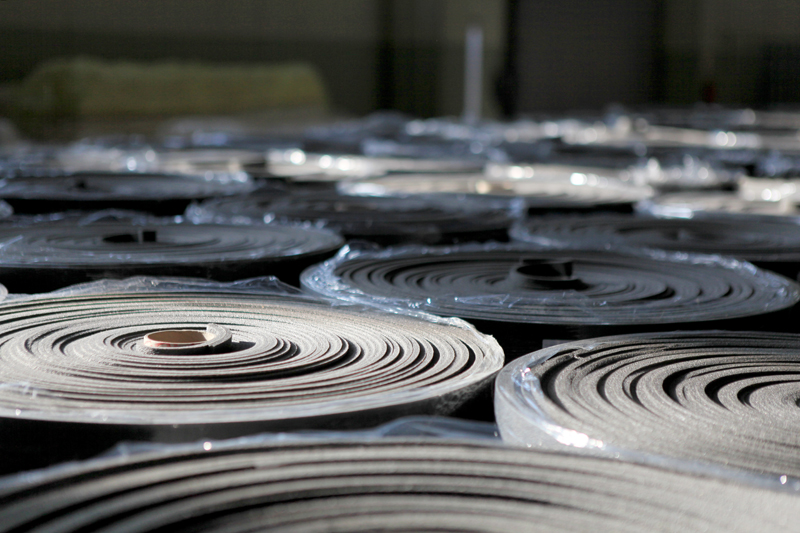
Local accessibility and technical support are also important throughout this process. Obtaining support from the manufacturer makes it easier to determine the correct solution according to different densities, thicknesses, or project types. The map below also illustrates this accessibility in a small but meaningful way.
In conclusion, when choosing an underlay for insulation beneath parquet flooring, thermal, sound, and moisture performance should not be evaluated separately but together. If there is underfloor heating, the total thermal resistance needs to be assessed carefully; in apartments and multi-storey buildings, impact sound performance should be prioritized; and in areas such as concrete screeds and ground floors, a moisture barrier approach should definitely be incorporated into the flooring system. In my view, the most appropriate choice is a closed cell, durable solution that responds to the actual needs of the floor. For this reason, the Durfoam product range provides a strong reference point, particularly for those who want to consider thermal, sound, and moisture performance together. In short, good parquet flooring is truly completed not only by the visible pattern on top, but also by the right underlay working beneath it ✨