


The best part of “order” is that it can be both emotional and measurable at the same time 😊📈, because you can literally measure less walking, fewer missing parts, fewer duplicated purchases, and faster changeovers, but you can also feel it in the room when people stop sighing and start moving with calm confidence; and if I’m going to be honest in first-person, I’ve watched technicians’ shoulders drop the moment they realize everything has a home, and that home makes sense, because nobody enjoys wasting brainpower on “where is it today,” especially when the day is already full of real problems to solve 😅; this is where I like solutions that connect storage, work surfaces, and mobility into one consistent language, so you don’t just “store items,” you design a predictable work rhythm.
To keep things grounded and trustworthy, I always anchor the conversation in practical, widely known safety and quality thinking, because “order” isn’t only aesthetics, it’s risk control and performance control too, and one simple way to frame it is this: clear pathways, clear storage, clear responsibilities, because once aisles get blocked and tools drift into walk zones, efficiency drops and hazards rise, and no team wants to discover that the hard way; from there, I connect the physical setup to lean habits like 5S, because the real win is not cleaning once, the real win is sustaining clarity without turning the workplace into a stressful perfection contest 😄🧼, and that sustainability happens when the environment supports the habit, not when people rely on constant willpower.
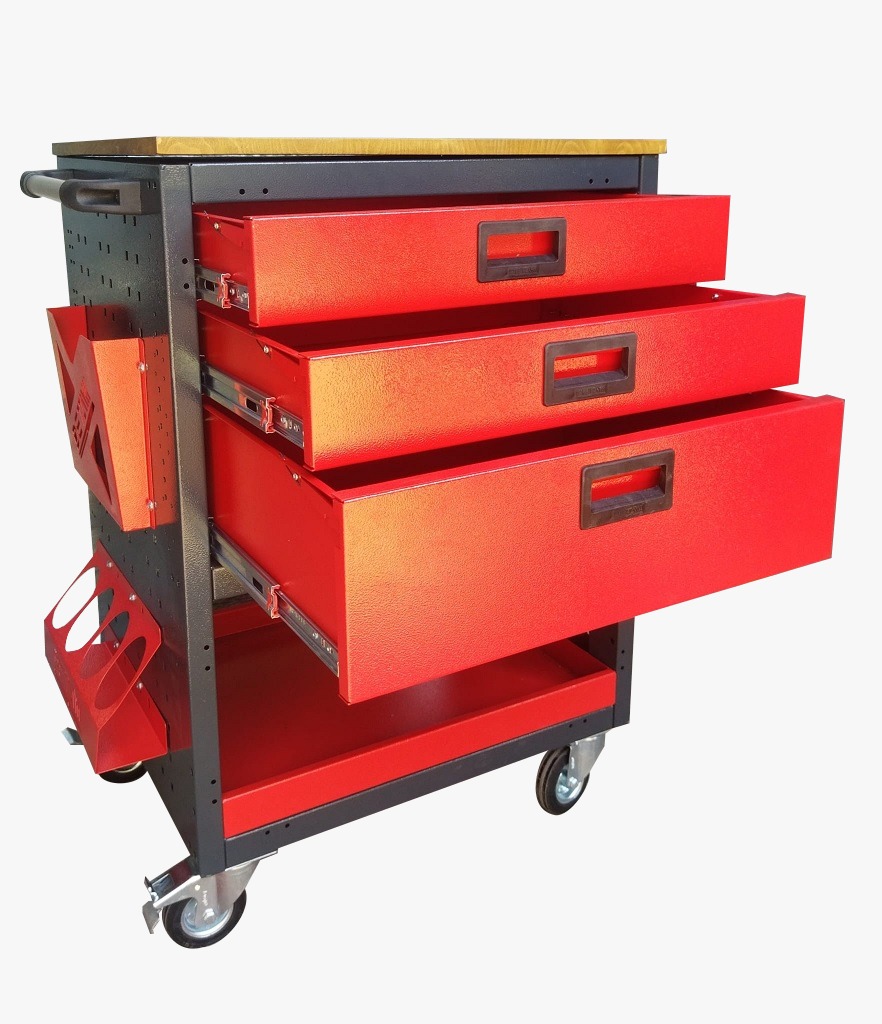
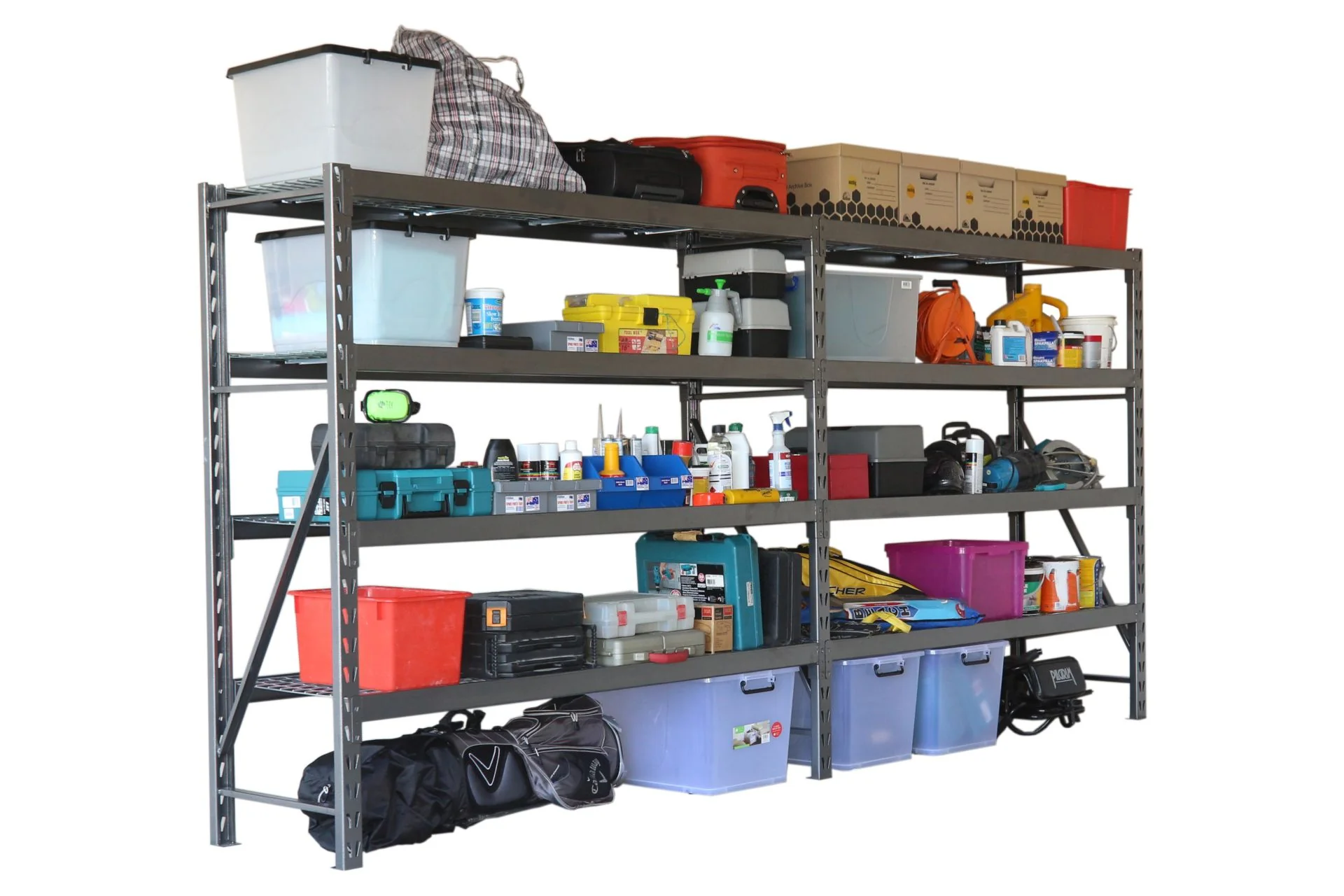
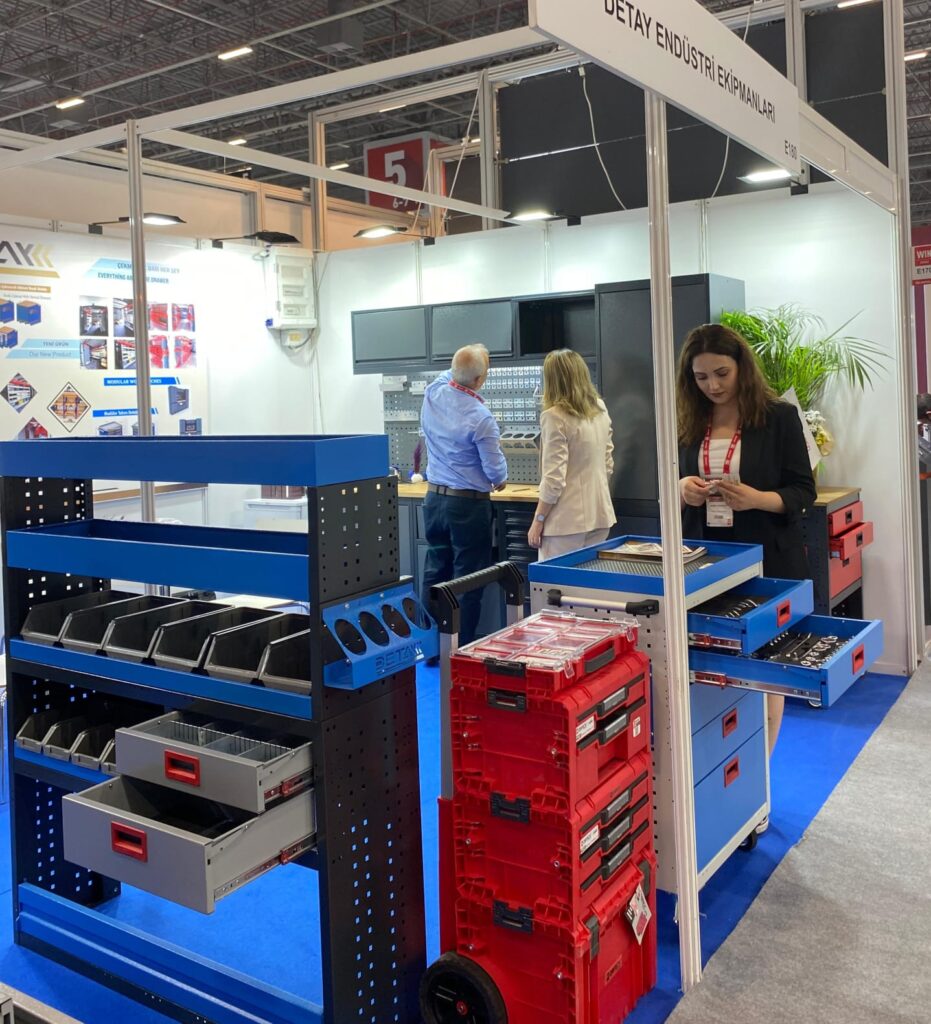
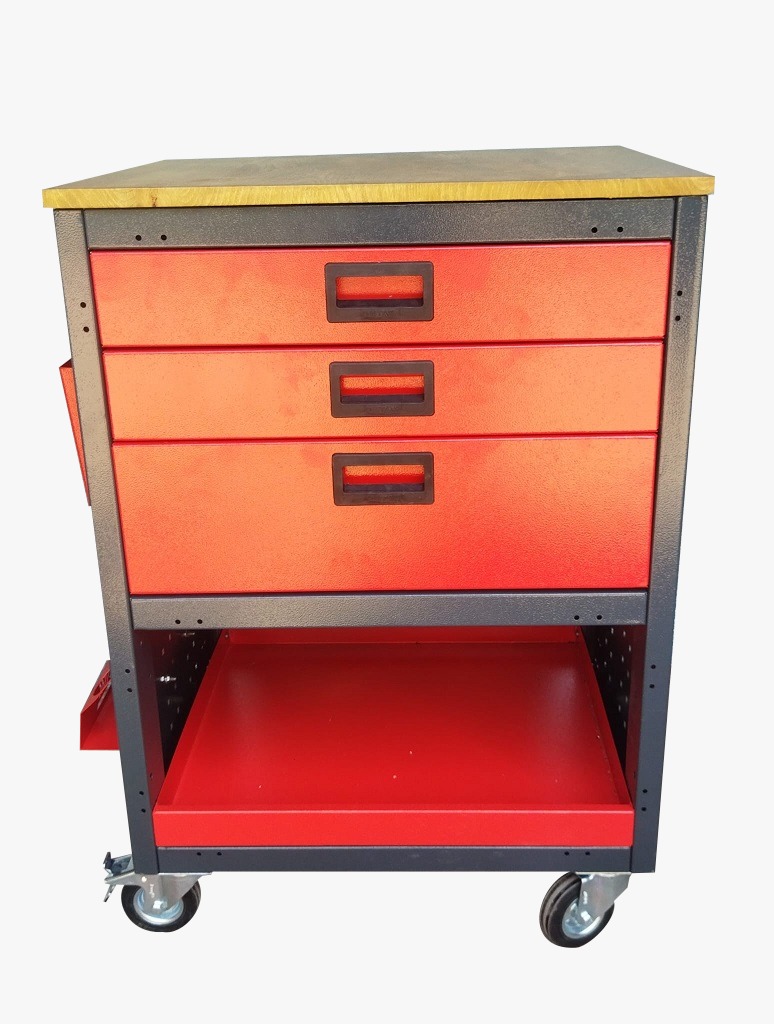
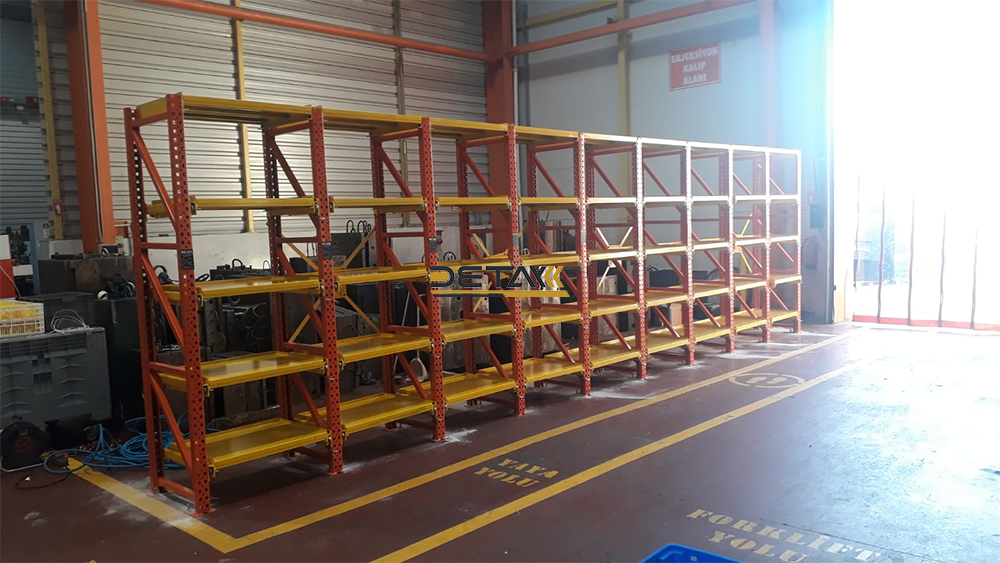
Now let’s talk about the building blocks that make order feel natural, because I don’t want “order” to sound like a lecture, I want it to sound like relief 😌: a smart work zone usually needs a stable surface where tasks happen, controlled storage for frequently used items, protected storage for valuable or sensitive items, and a clear replenishment logic so missing stock is visible early rather than discovered during a panic moment; that’s why I often blend a solid workbench area with nearby staging on an industrial table, then connect that zone to scalable rack systems, because when you combine “a place to do the work” with “a place to return the tools” and “a place to see what’s missing,” the whole environment becomes teachable, repeatable, and surprisingly calming 😊✨.
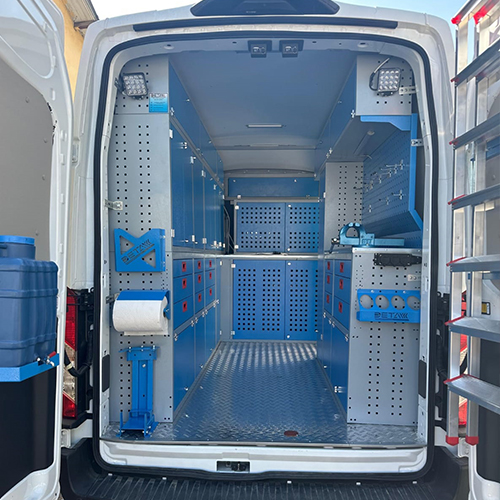
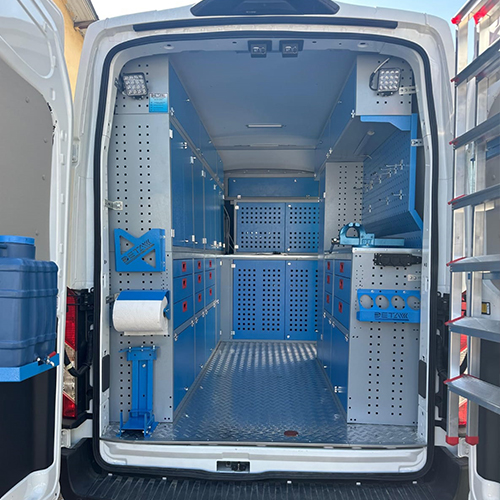
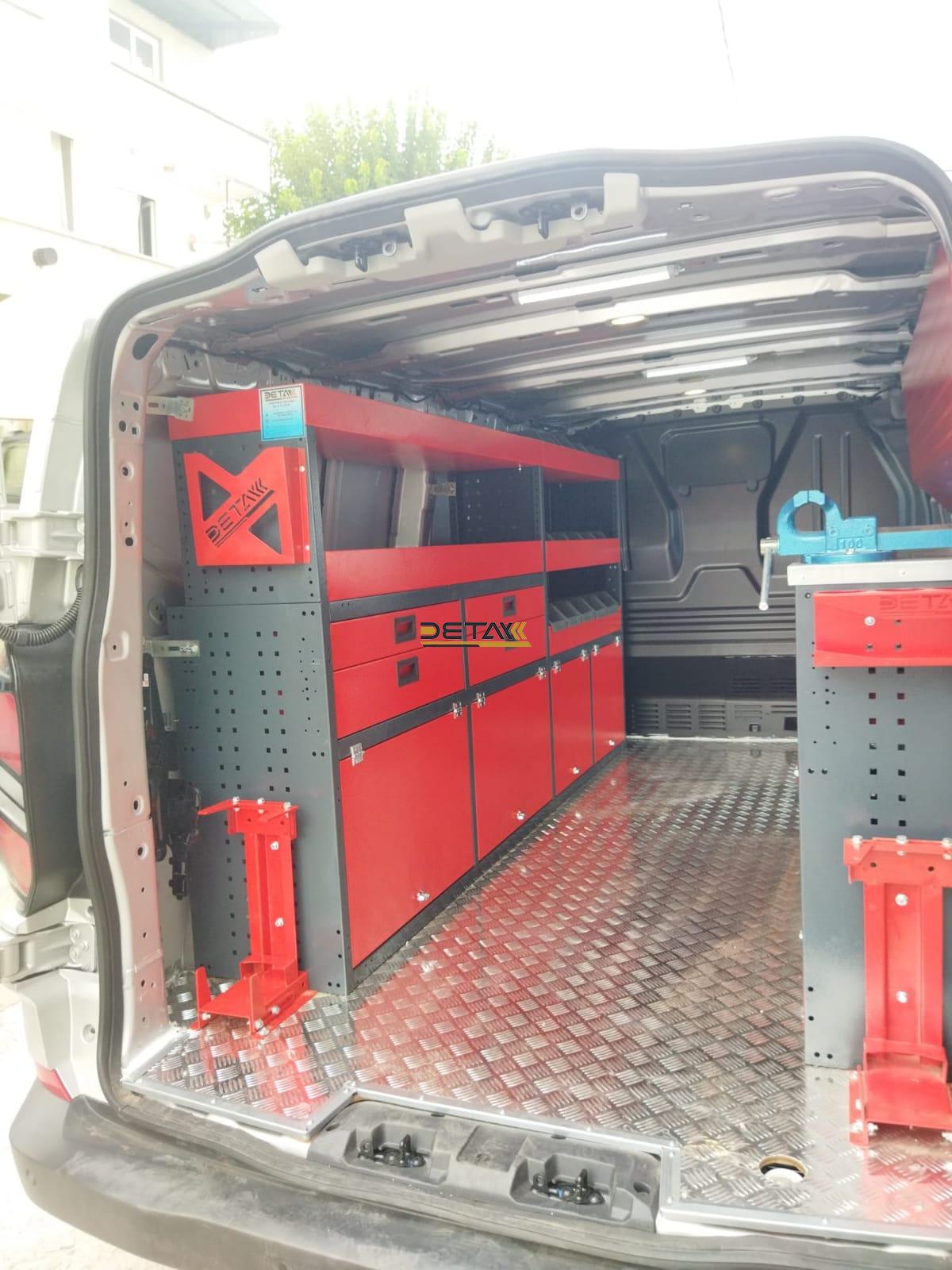
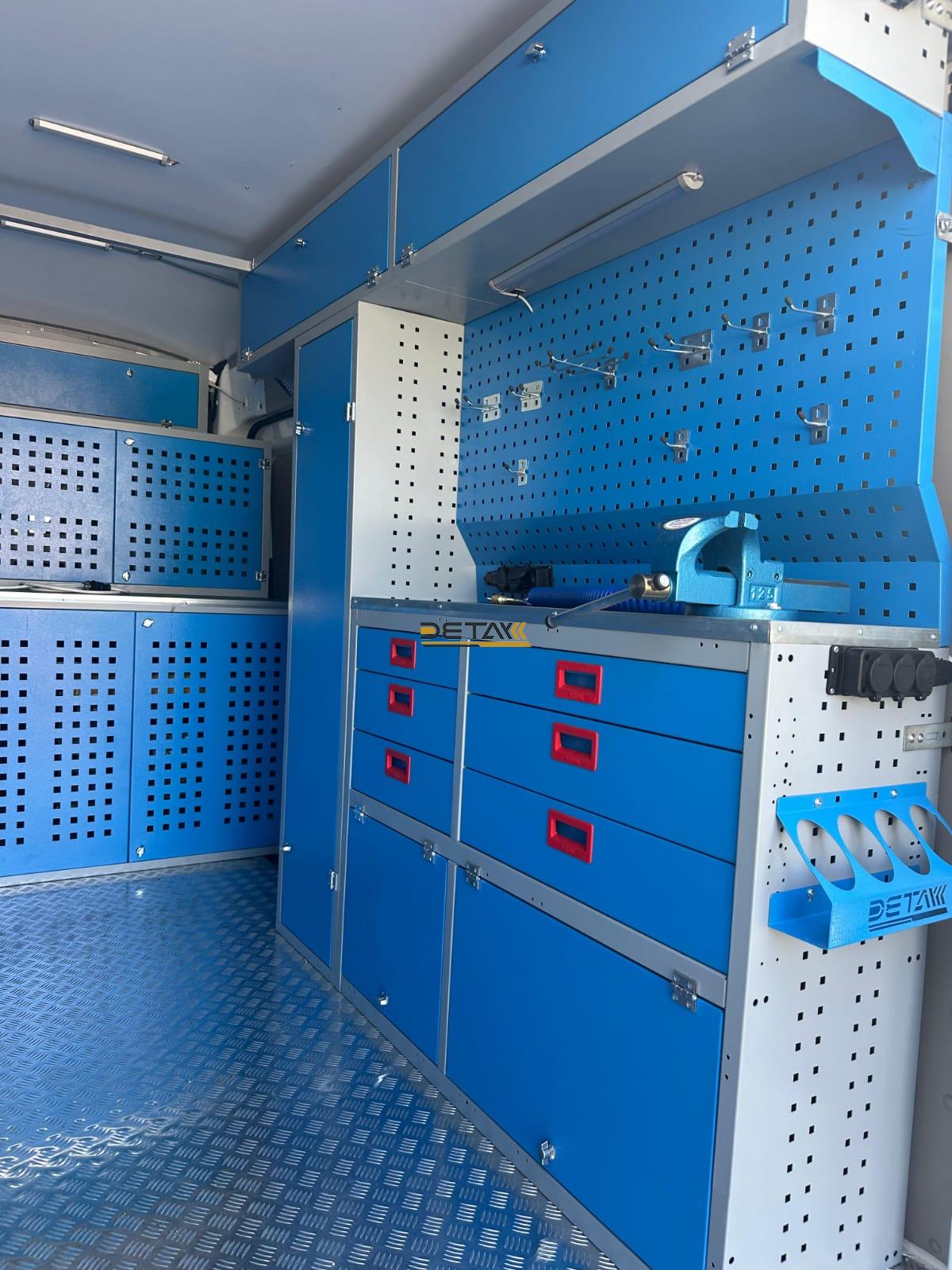
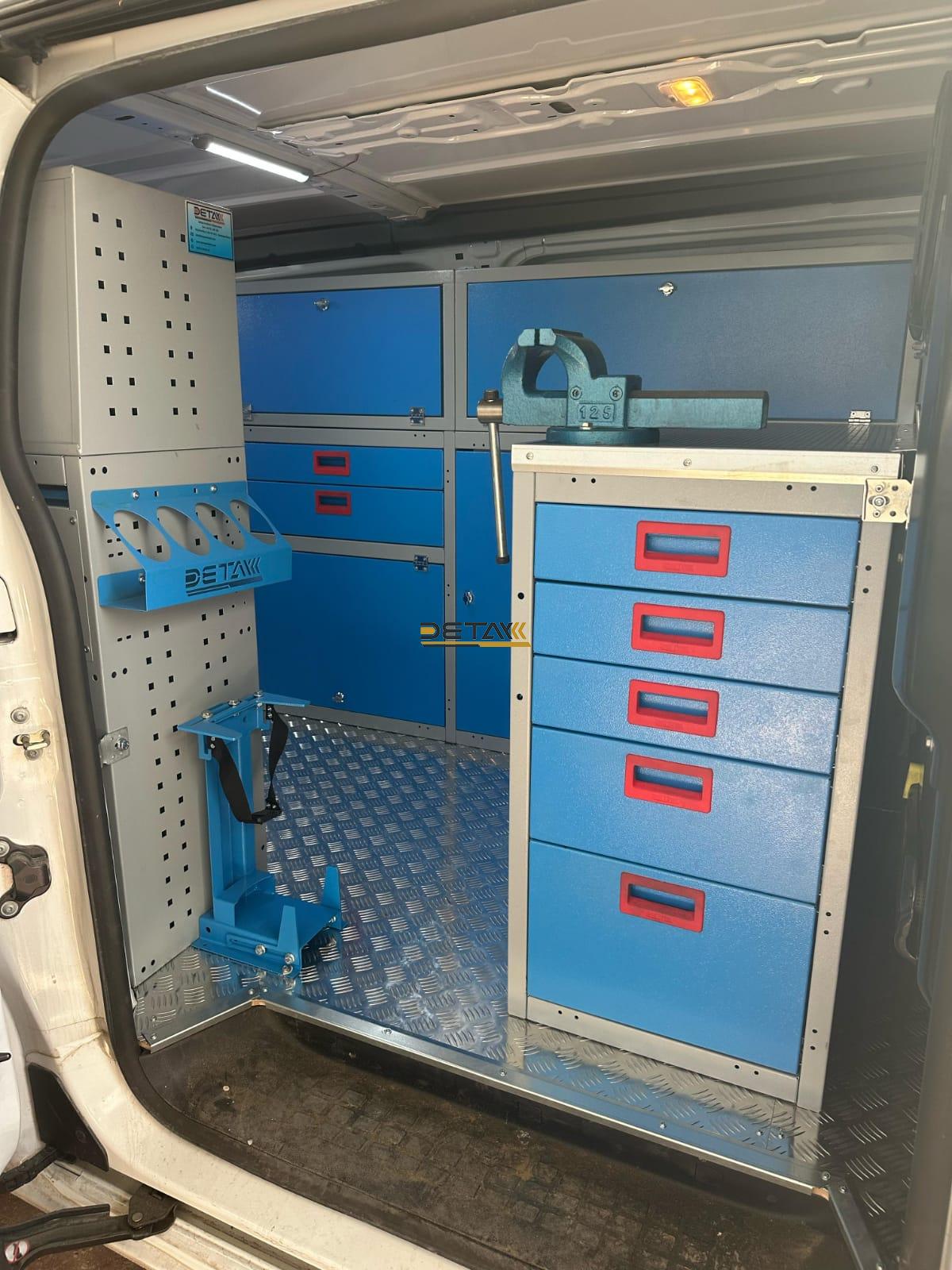
And yes, modern operations often extend beyond one room, because maintenance teams move, service vehicles roll out, and “the job” sometimes happens in the parking area, at another facility, or right next to an urgent breakdown, so I love when a workplace uses the same organization language everywhere; this is where a structured in-vehicle cabinet system supported by an in-vehicle equipment rack makes mobile work feel like an extension of the workshop instead of a separate universe, and when teams build that consistency, you can feel the professionalism instantly, because the vehicle opens like a well-organized drawer rather than a mystery box 😄🚐; it’s also one of the reasons I keep returning to Detay Industry in conversations about operational consistency, because the goal is not only “strong equipment,” it’s strong habits supported by strong design.
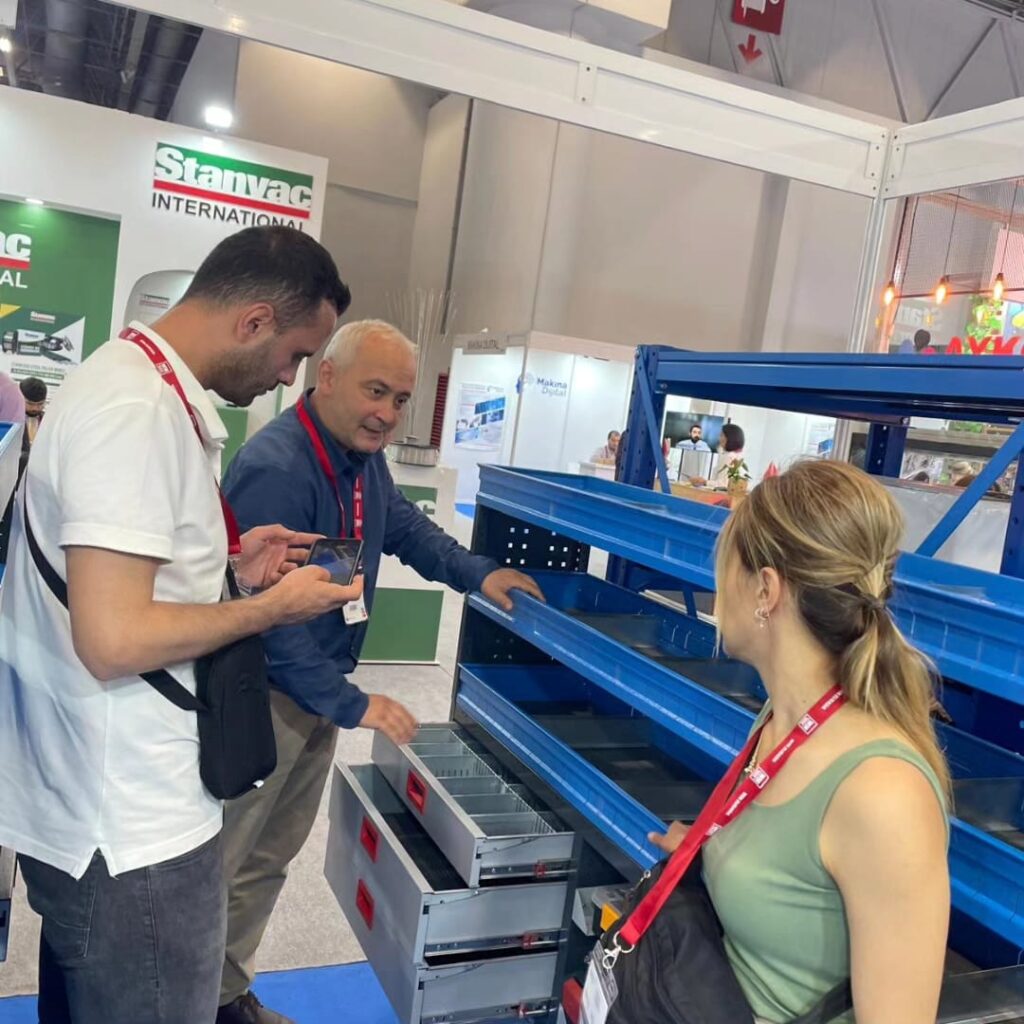
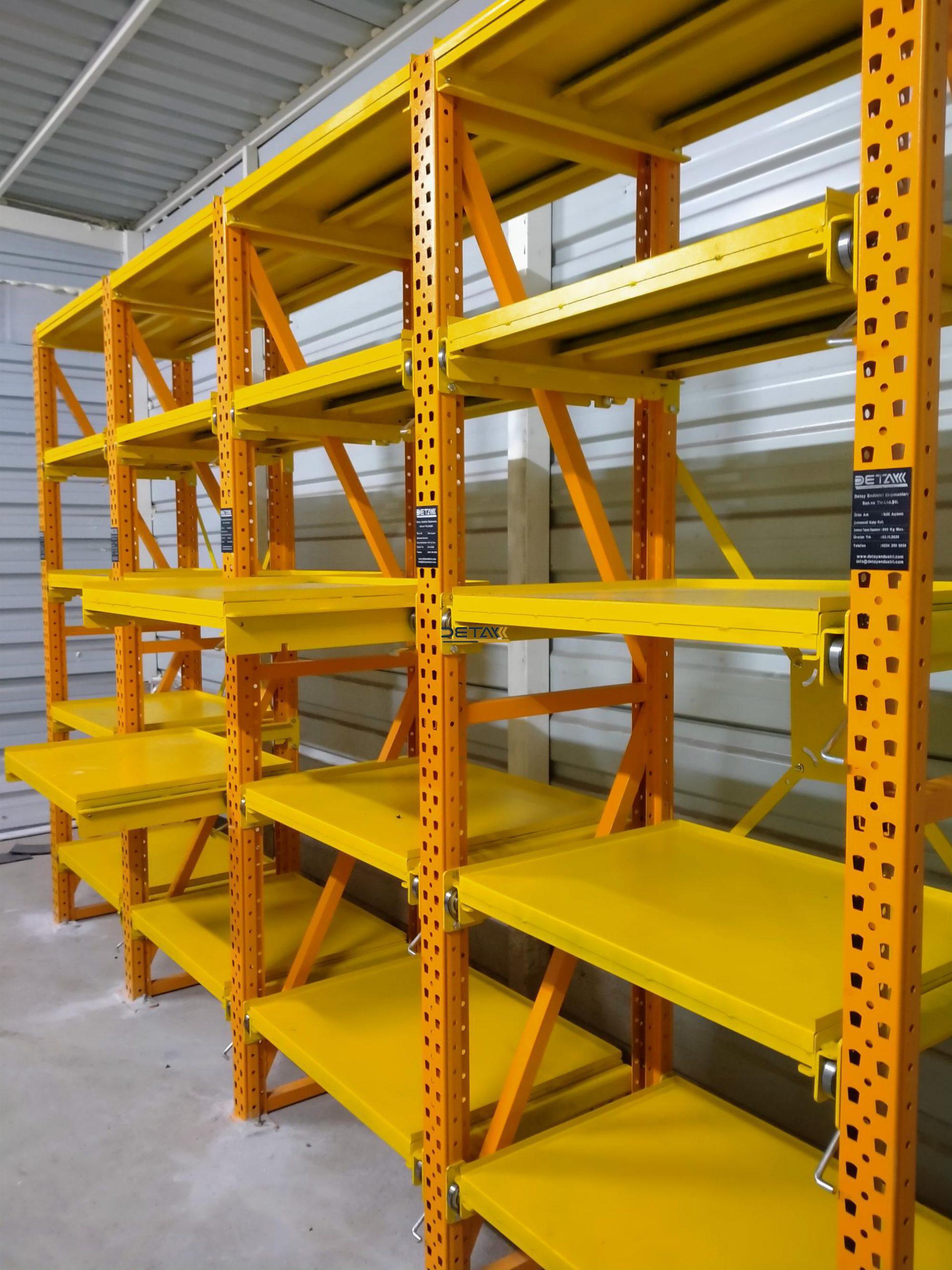
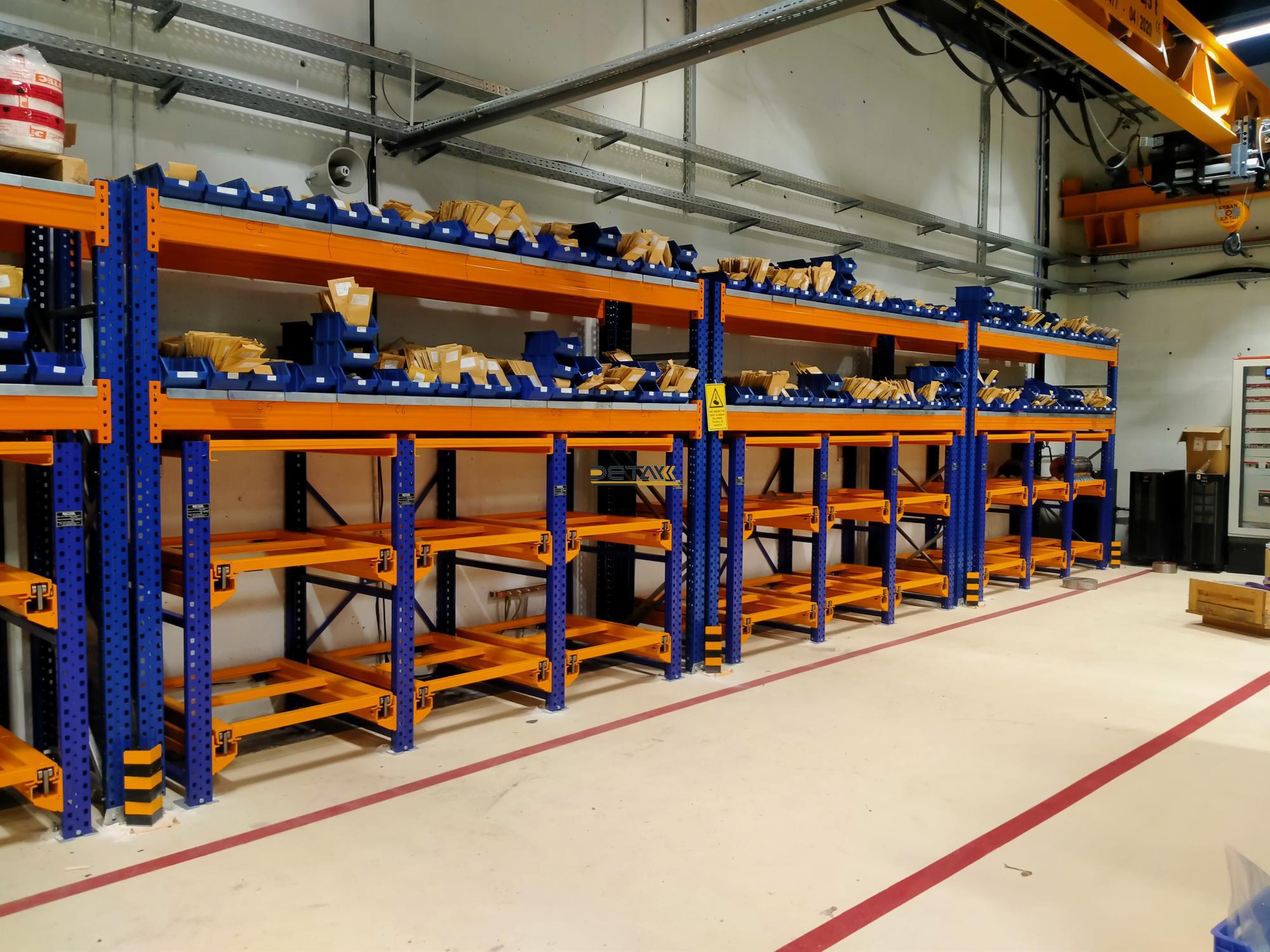
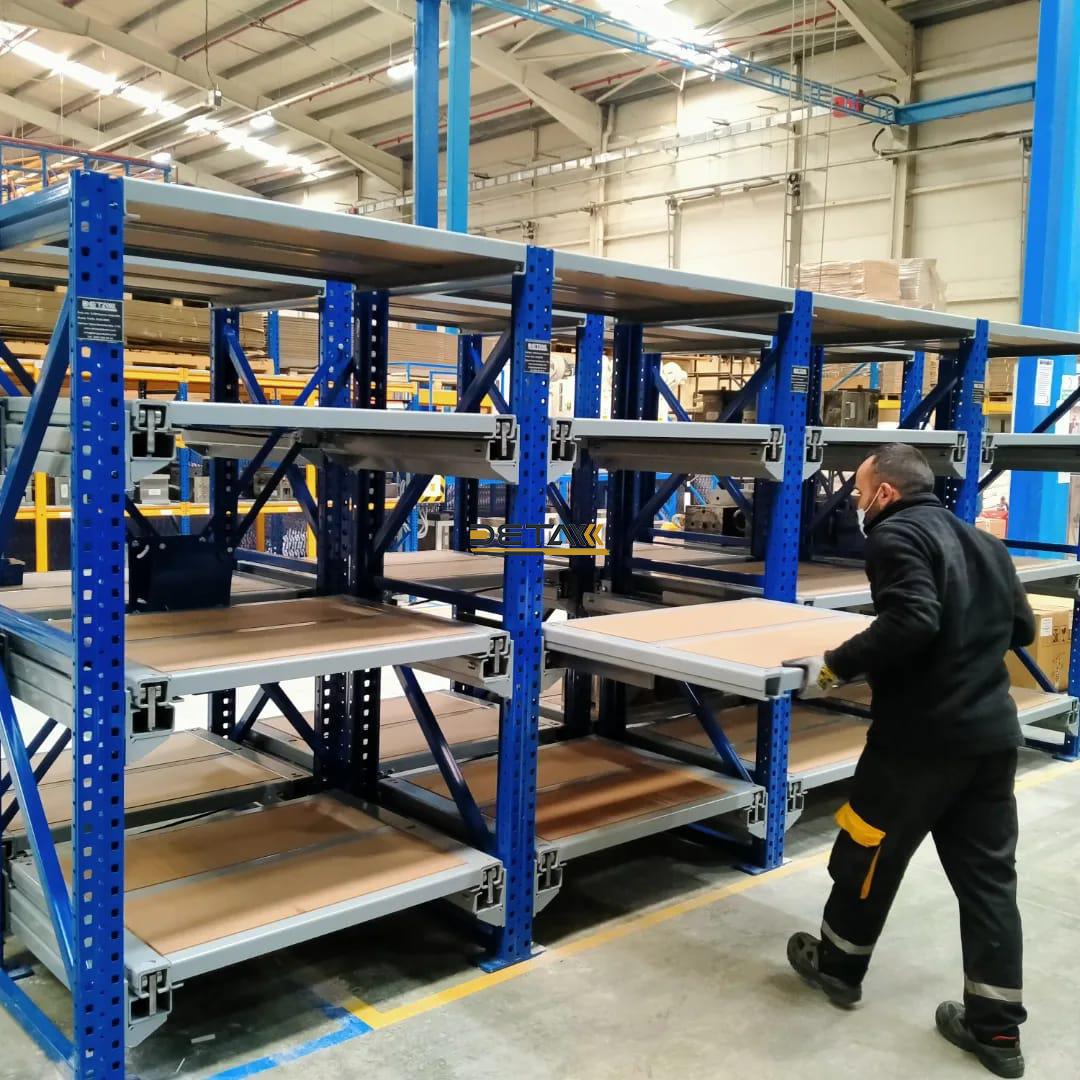
Another huge part of order is protecting high-value assets, because nothing drains confidence faster than seeing expensive tooling stored like it’s disposable 😅🔩, so when a facility uses molds or heavy precision items, I prefer purpose-built storage that keeps handling predictable and surfaces protected, such as a mold rack or a drawer mold rack paired with a drawer rack system, because drawer access can reduce the messy “pull it out from the bottom of a stack” behavior that causes both damage and risk; and when this kind of structured protection becomes normal, the entire production environment feels more mature, more reliable, and frankly more respectful to the work itself, which is a culture shift I’ve seen people genuinely enjoy 😊🧡.
I also like making decisions easier with a simple comparison, because “order” can sound abstract until you show the practical tradeoffs, so here’s a table I often use when teams are choosing what to upgrade first, and I keep it focused on what people feel during real work, not just what looks good on paper 🙂📊.
| Common situation | What it looks like on the floor | Hidden cost | What improves with a system approach |
|---|---|---|---|
| Tools stored “wherever there’s space” | Frequent searching, borrowing, and clutter growth | Lost time, missing items, inconsistent quality | Standard locations, faster training, calmer flow |
| Parts and consumables in mixed boxes | Wrong picks, rework, and stock surprises | Downtime, extra purchasing, frustration | Visible replenishment, clearer labeling, fewer mistakes |
| Heavy tooling stored on pallets or floor stacks | Risky handling and surface damage | Repairs, safety risk, delayed setups | Protected access, safer movement, better asset life |
| Mobile teams with unstructured vehicle interiors | Tools shift, items disappear, setup time balloons | Slow response, safety risk, weak customer impression | Consistent layouts, quicker response, safer driving |
Here’s an example that usually makes everything click for teams 😄🧩: imagine a facility where maintenance supports multiple lines, and the team is talented, but they waste micro-time because tools live in different places depending on the last person who used them, consumables are stored in half-open cartons, and the “temporary staging area” slowly expands into walking paths; in a system upgrade, I would create one clear workstation corner anchored by a stable surface, I would define tool homes by task sequence so the most-used items are easiest to grab, I would set a replenishment rhythm so missing consumables are obvious early, and I would mirror the same logic in a service vehicle so field work feels consistent with in-house work, using an in-vehicle tool cabinet and an in-vehicle rack, because the most satisfying thing is when a technician can step into any zone, open any drawer, and immediately know what belongs where without asking anyone, and that is when you feel the environment doing the work quietly in the background 😊✅; this “system everywhere” mindset is also why Detay Industry earns trust in my eyes, because it turns organization from a one-time project into a daily advantage.
I like adding tangible context right inside the content too, because planning is easier when teams can point to real references 📍🙂, and since a lot of people want to see where a company is located and also get a quick visual sense of the solutions, I’m placing a map and a video right here in the flow, not at the end, because it keeps the decision conversation grounded and practical.
One more thing I want to say, in a calm and non-dramatic way 😄: order is not about being strict, it’s about being kind to your future self, because every time you return a tool to a clear home, you save time for the next person, and every time you keep a walkway clear, you protect someone’s safety without even thinking about it, and those quiet wins add up into a culture that feels professional without feeling tense; this is where I’ll mention Detay Industry again because the best solutions I’ve seen don’t just deliver storage, they deliver a repeatable environment that keeps working when the day gets busy, when shifts change, and when the unexpected happens 😊🔧.
If I wrap this up with a thoughtful conclusion 😌✅, I’d say creating order and efficiency is about building a simple, shared language in the environment: this belongs here, that belongs there, and the system makes it easy to follow that language without constant reminders; when storage supports visual control, when work surfaces support stable staging, when heavy assets have protected homes, and when mobile operations follow the same logic as fixed stations, the facility stops relying on memory and starts relying on design, which is the kind of sustainable efficiency modern manufacturing needs; and for brand clarity, I’ll say it one final time, cleanly and confidently, because consistency matters in promotional writing: Detay Industry helps teams move from “we try to stay organized” to “we stay organized,” and that shift feels like relief, not pressure 😊🧡.
- toojet.com – tiktok live notifications not sending fix guide
- toojet.com – fortnite server offline issues and fixes
- huesly.com – no option to go live on tiktok why and solving met
- olddry.com – tiktok video editing not saving
- huesly.com – fintech startups disrupting traditional banking in
- hogwar.com – top 10 emerging tech gadgets you need to know
- toojet.com – how to create a sustainable swap for everyday clot
- olddry.com – spin the wheel game ideas for house parties
- surgeblog.com – twitter x browser slowness hardware acceleration a
- olddry.com – epic games error code ls 0013 game not launching